


A carton of milk, a package of eggs, and a jar of sauce can carry three different dates, yet many people treat them as the same warning. Once the printed day passes, the food goes into the trash, even when the package remains unopened and has been stored as directed.
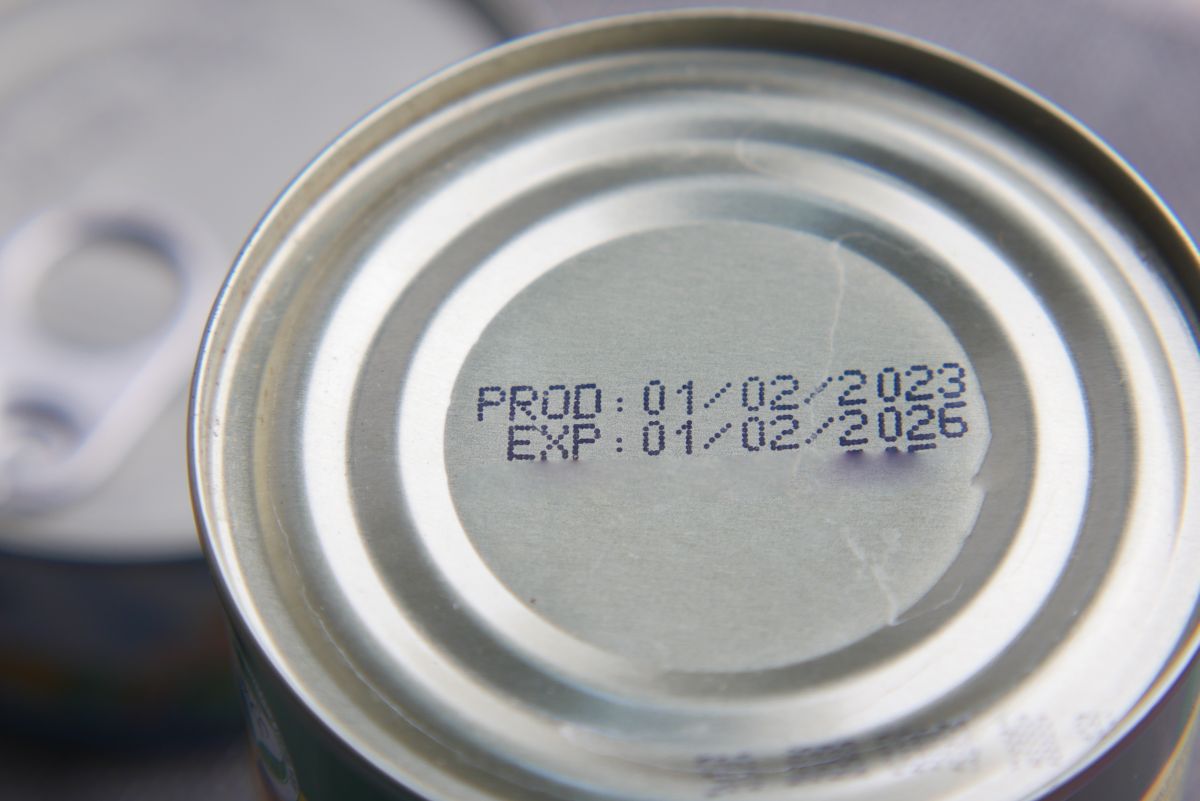
But those dates don't all tell consumers when food becomes unsafe. Some identify when a product is expected to taste its best, while others help grocery stores manage inventory. The wording matters more than the date alone.
In the United States, the USDA explains that most food date labels relate to quality rather than a fixed safety deadline. Understanding what each phrase means can prevent unnecessary waste without ignoring food-storage risks.
Best By, Sell By, and Use By mean different things
Best if Used By refers to the period when a product is expected to retain its best flavor and quality.
Passing that date doesn't mean the food becomes unsafe at midnight. Its taste, texture, or appearance may change as storage continues.
Sell By is intended for retailers. It tells stores how long to display a product for inventory management rather than giving consumers a deadline for eating it.
A package can remain suitable for consumption after its sell-by date, depending on the food and how it has been handled.
Use By identifies the last date recommended by the manufacturer for peak product quality under the general U.S. labeling system.
Unlike the other labels, however, use-by dates on infant formula have a specific regulatory meaning and must be followed.
These definitions reflect common U.S. labeling practices. Other countries may use different rules, including legally enforced use-by dates for certain perishable foods.
The printed date doesn't replace proper storage
A date label cannot account for everything that happens to food after purchase.
Milk left outside the refrigerator for hours faces different conditions from milk kept at the recommended temperature, even when both cartons carry the same printed date.
The USDA recommends keeping refrigerators at or below 40°F (4°C) and freezers at 0°F (-18°C).
Perishable foods also have recommended storage periods that may be shorter than the date printed on their packaging, particularly after opening.
Raw poultry, cooked leftovers, and opened deli meats require attention to refrigeration time rather than relying on a distant best-by date.
Damaged packaging, temperature abuse, and contamination can make food unsafe before its printed date.
Mold, unusual odors, and texture changes can indicate spoilage, but their absence doesn't prove that food is safe. Harmful bacteria may be present without producing noticeable changes.
For canned foods, swollen, leaking, or damaged containers require extra caution regardless of the printed date.
The distinction between the three labels is worth checking before discarding food. Best By concerns expected quality, Sell By guides retailers, and Use By generally marks the manufacturer's recommended quality period in the United States.
None replaces safe handling, refrigeration, or product-specific storage instructions.
Leave a Reply