


Thick waffles often get credited to the waffle maker, the batter, or the toppings. In reality, flour plays a much bigger role. These waffles skip traditional flour entirely and rely on coconut flour instead, creating a texture that stays thick, fluffy, and sturdy enough to hold syrup, fruit, and nut butter without falling apart.
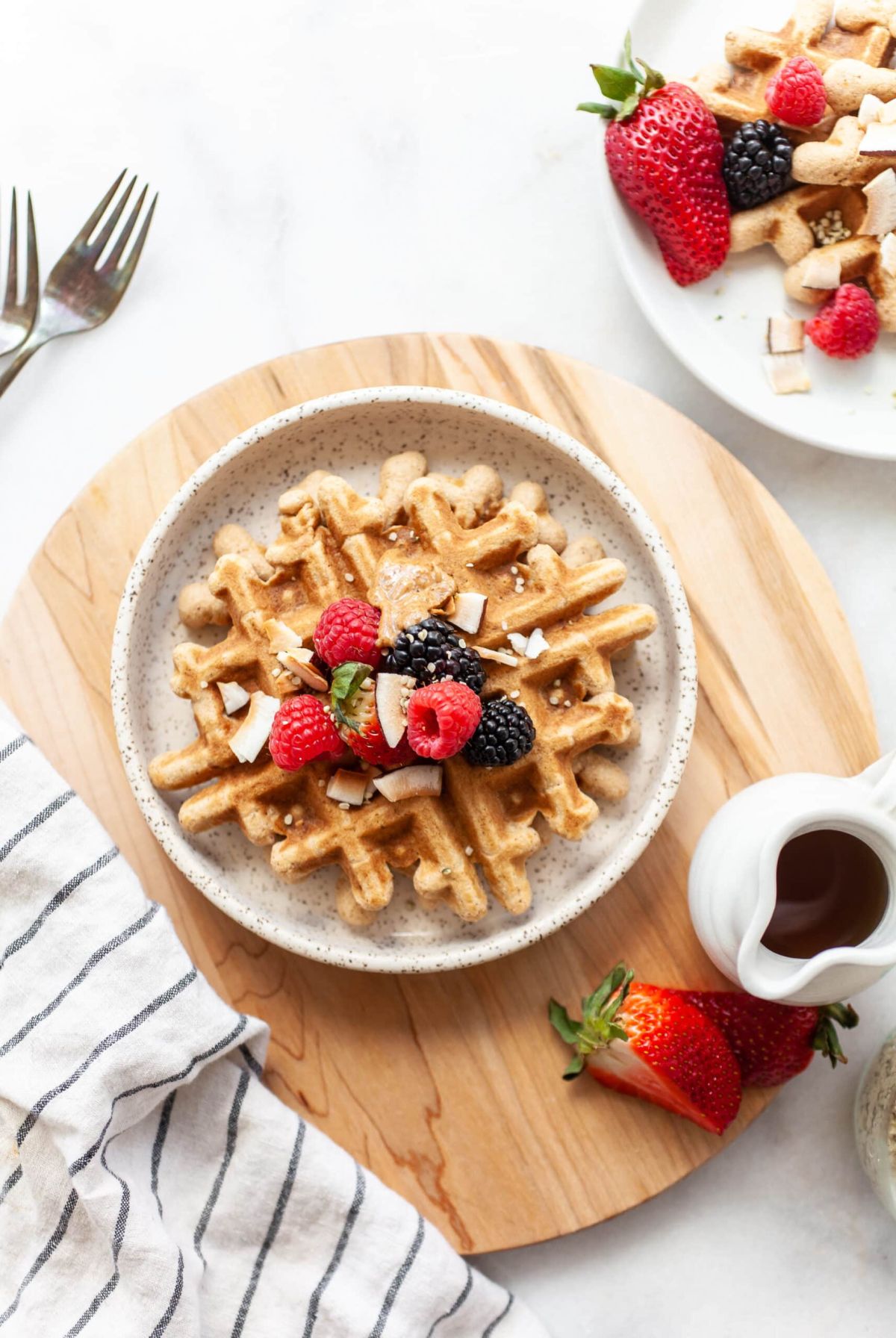
Coconut Flour Changes How Waffle Batter Behaves
Coconut flour absorbs much more liquid than wheat flour, which is why the batter looks different from most waffle recipes. Instead of a thin pourable mixture, it forms a thicker batter that expands during cooking and creates substantial waffles with a soft interior.
Extra Moisture Balances The Flour
Because coconut flour absorbs so much liquid, ingredients such as eggs, almond milk, applesauce, and almond butter become essential. Together they provide enough moisture to keep the waffles tender while allowing coconut flour to do its job.
Tapioca Flour Supports The Texture
A small amount of tapioca flour helps create flexibility and prevents the waffles from becoming too dense. The combination produces waffles that hold together well while remaining light inside.
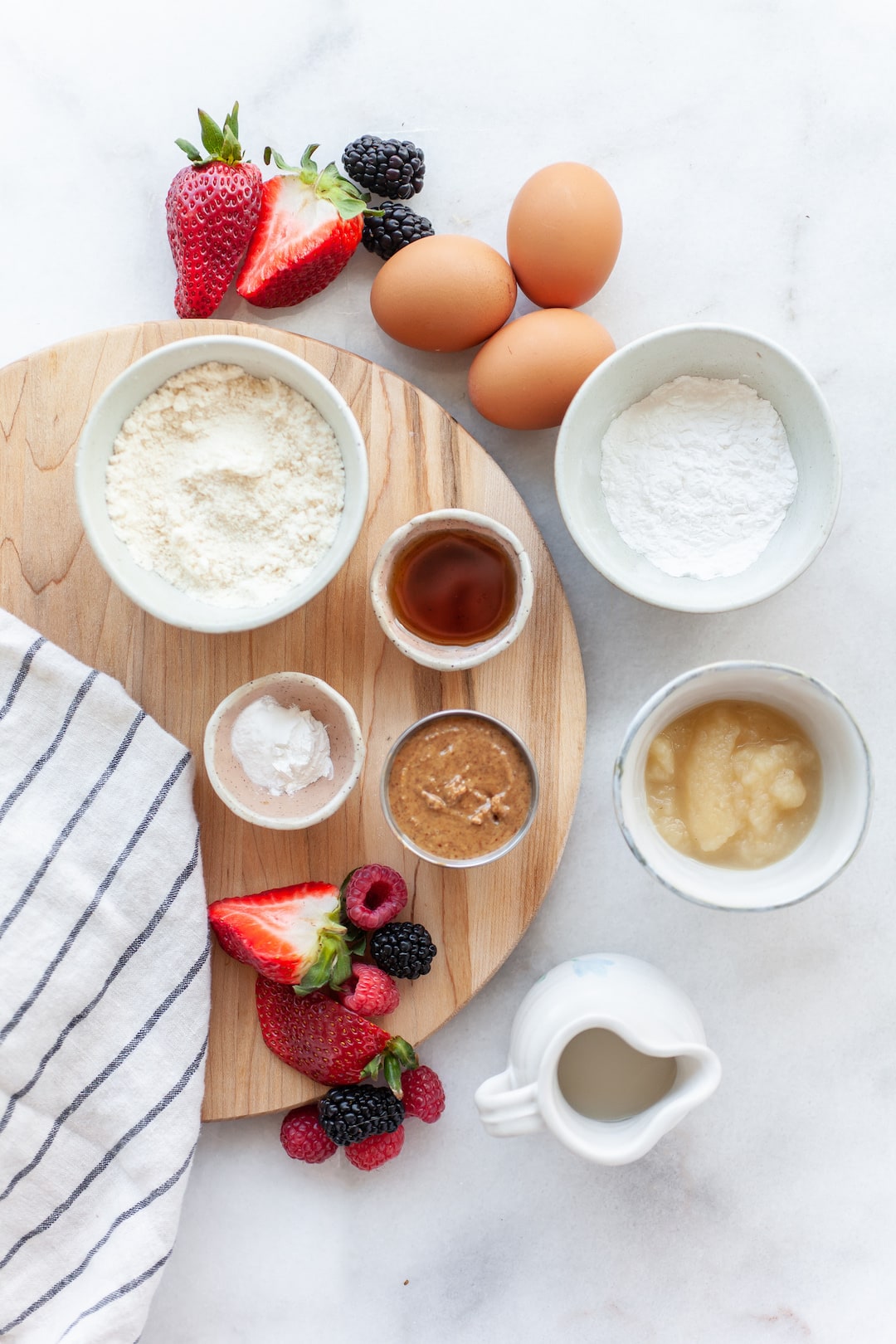
Thick Batter Creates Belgian-Style Results
Many first-time coconut flour bakers assume something went wrong because the batter appears unusually thick. That's exactly what helps create the deep pockets and sturdy structure associated with Belgian-style waffles.
Coconut Flour Does More Than Replace Wheat
People often try coconut flour because they want a gluten-free option. Many keep using it because of the texture. These waffles don't try to imitate traditional versions. Instead, they create something different: thick, fluffy waffles built around the unique properties of coconut flour.
Leave a Reply