


Lamb stew seems built for the freezer. Lamb, carrots, tomatoes, and broth can be cooked in a large batch, portioned, and saved for another dinner. One familiar stew ingredient, however, may not come back with the same texture.
Potatoes are the problem. The lamb stew recipe from Lemons for Lulu combines lamb with carrots, fire-roasted tomatoes, potatoes, and beef broth, but recommends omitting the potatoes when making a batch destined for the freezer.
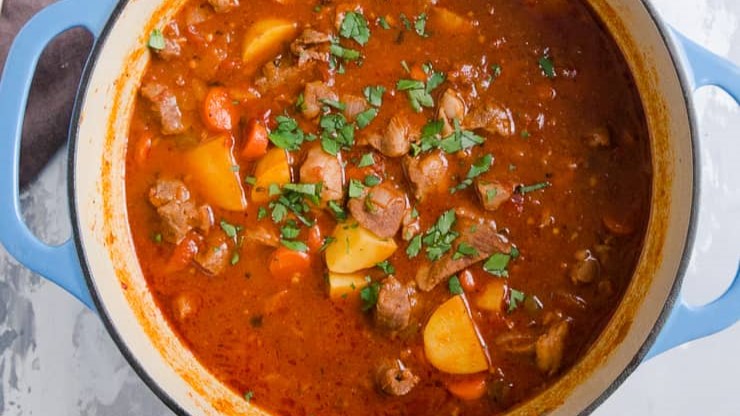
The potatoes can be added later, when the frozen stew is reheated. That small change lets you freeze the rest of the dish without sacrificing one of the textures that makes a fresh bowl of stew work.
Potatoes Can Turn Grainy After Freezing
Cooked potatoes contain plenty of water, and freezing can change their texture. In this recipe, the potatoes are simmered until fork-tender, which is exactly the texture you want when serving the stew from the pot.
Freezing those cooked potatoes is another matter. The recipe warns that potatoes can become grainy and may not reheat well after the stew has been frozen and thawed.
That means a bowl of stew can have tender lamb and a rich broth after reheating while the potato pieces give away that the meal spent time in the freezer.
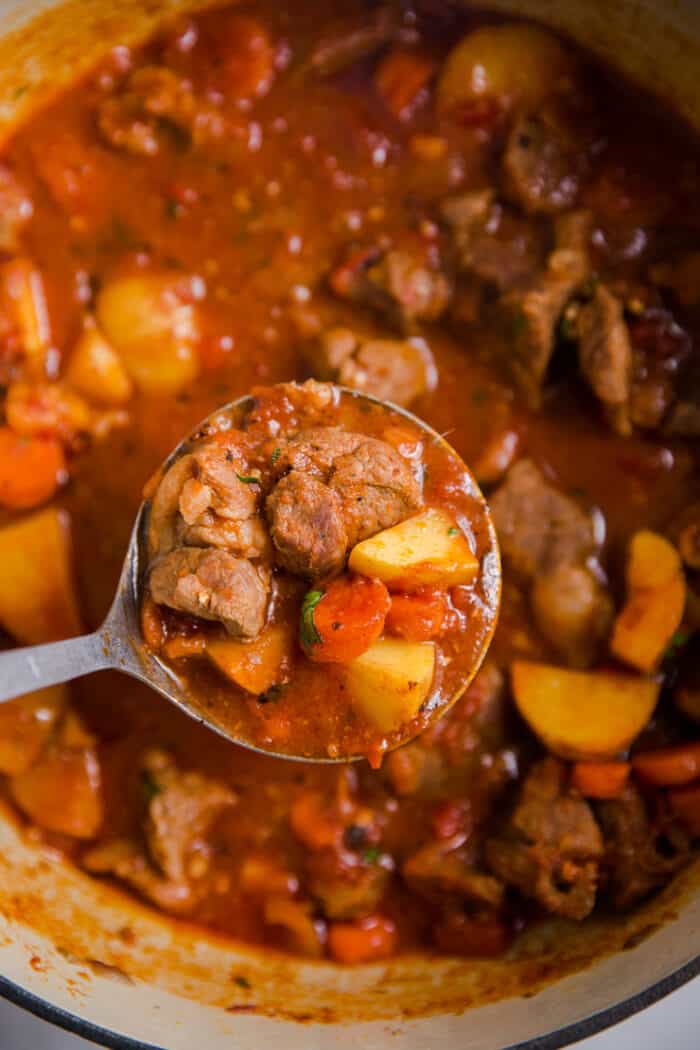
Make the Stew Without Potatoes Instead
The fix doesn't require changing the rest of the stew. Brown the lamb, cook the vegetables, and add the tomato paste, fire-roasted tomatoes, and beef broth as the recipe directs. Just leave out the diced potatoes from the portion you intend to freeze.
Let the finished stew cool before transferring it to freezer-safe bags or containers. The source says the stew can be frozen for up to three months.
You still get the convenience of having most of dinner prepared without asking the potatoes to survive both freezing and reheating.
Add Fresh Potatoes When You Reheat the Stew
Potatoes don't have to disappear from the final bowl. The recipe recommends adding them as the stew reheats instead.
Cut fresh potatoes into bite-size pieces and give them enough cooking time to become tender. Depending on how you reheat the stew, you can also cook the potatoes apart and add them once the stew is hot.
Either approach gives you freshly cooked potatoes rather than reheated pieces with a grainy texture.
Not Every Bowl Needs the Freezer Adjustment
If you're serving the lamb stew after cooking it, there is no reason to skip the potatoes. The original recipe adds diced potatoes with enough beef broth to cover the mixture, then simmers the stew until the potatoes become fork-tender and the liquid reduces.
The omission only matters when you're planning ahead for the freezer. Leave the potatoes out now, add them when the stew comes back to the stove, and that frozen batch can taste much closer to a pot made for dinner that day.
Leave a Reply