


Bagged shredded cheese is hard to beat when dinner needs to get on the table fast. Open the package, grab a handful, and it can go straight onto tacos, pizza, casseroles, or baked potatoes.
The same convenience can become noticeable when cheese needs to melt into a smooth sauce. Pre-shredded cheese often contains ingredients that aren't present when you grate a block at home, and they serve an important purpose inside the bag.
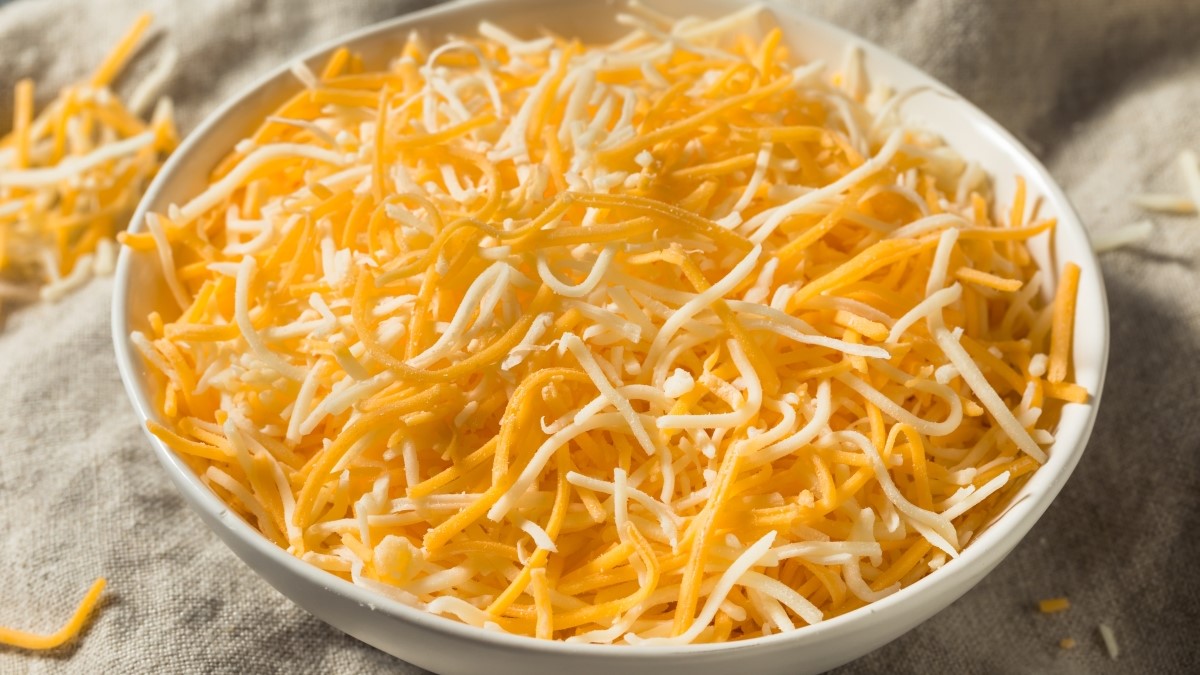
Look at the ingredient list and you may find cellulose, potato starch, cornstarch, or another anti-caking ingredient. They help explain both why the shreds stay separate in the refrigerator and why bagged cheese doesn't always melt the way freshly grated cheese does.
Anti-Caking Ingredients Keep the Shreds From Sticking
Shred a block of cheese and leave it in a container, and the pieces can begin sticking to each other. Packaged shredded cheese needs to remain loose enough to shake or pour from the bag.
Anti-caking ingredients help create that separation by coating the surface of the shreds. That is why you can reach into an opened bag days later and still pull out individual pieces instead of one compressed mass.
Sometimes the coating is even visible. Fine powder may cling to the cheese or collect near the bottom of the package.
That Same Coating Can Show Up in the Melt
The difference matters less when cheese is scattered across nachos or melted over a casserole. It becomes easier to notice when cheese is supposed to disappear into a smooth sauce.
Pre-shredded cheese will melt, but the coating around each piece can work against the seamless texture you want from queso, macaroni and cheese, cheese soup, or a creamy pasta sauce.
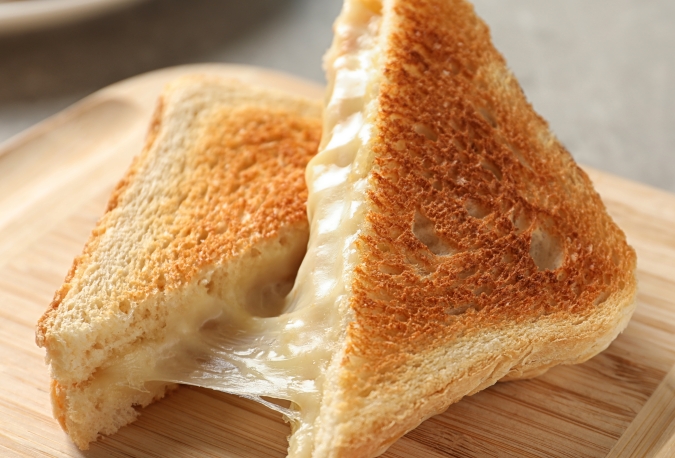
Freshly grating cheese from a block removes that added coating from the equation. The shreds can melt into each other without an anti-caking ingredient sitting on their surfaces.
Ingredient Lists Vary From Bag to Bag
Not every package of shredded cheese uses the same formula. Before choosing one, turn the bag around and compare the ingredient lists.
The cheese may be followed by cellulose, potato starch, cornstarch, or a combination of ingredients used to prevent caking. Checking the label tells you what is actually keeping those shreds separate instead of judging the package by how the cheese looks.
The same check is useful with products labeled Mexican blend, Italian blend, or three-cheese blend. The front tells you the style; the ingredient list tells you which cheeses are inside.
Block Cheese Makes More Sense When Texture Matters
None of this means bagged shredded cheese needs to disappear from the refrigerator. For taco night, baked potatoes, casseroles, pizza toppings, and other dishes where convenience matters more than a seamless melt, it does its job.
Recipes built around melted cheese are where reaching for a block can pay off. Grate cheddar for mac and cheese, Monterey Jack for queso, or mozzarella when you want control over both the cheese and its texture.
The extra minute with a grater may seem unnecessary until you compare the finished sauces. Sometimes the ingredient keeping shredded cheese loose in the bag is also the reason it doesn't become the smooth cheese sauce you expected.
Leave a Reply