


Half a lemon often stays beside the cutting board after the other half goes into tea, salad dressing, fish, or a glass of water. Since whole lemons can sit on the counter, leaving the cut half there until the next meal can seem harmless.
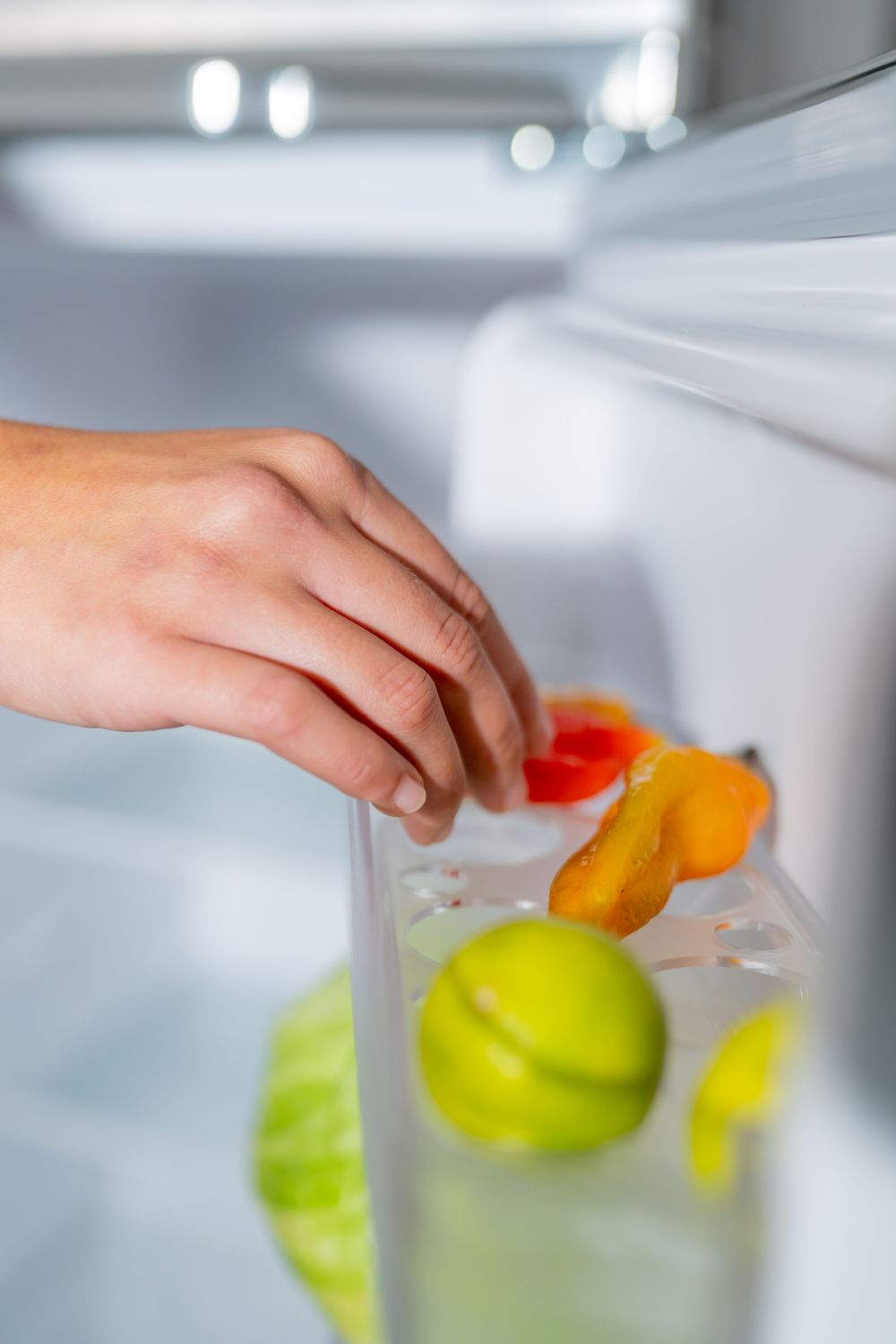
Cutting the fruit changes the storage rules. The protective rind no longer surrounds the whole lemon, leaving moist flesh exposed. Food safety guidance recommends moving cut citrus into the refrigerator within two hours rather than treating it like an intact lemon.
Whole Lemons Can Handle the Counter Better
Utah State University Extension says whole lemons can keep at room temperature for about two weeks. Refrigeration extends their storage life, with lemons kept in a plastic bag lasting around six weeks.
A cut lemon is different. Utah State recommends using cut lemons as soon as possible. Once the fruit has been sliced, the exposed surface begins losing moisture and no longer has the rind protecting it from handling and surrounding surfaces.
Cut Citrus Has a Two-Hour Window
University of California food safety guidance says fresh citrus should be refrigerated within two hours after it has been peeled or cut. Cut citrus left at room temperature for more than two hours should be discarded.
That matters when half a lemon gets left beside the stove after dinner or sits on a cutting board until the kitchen gets cleaned hours later. Putting it in the refrigerator at the end of the night does not erase the time it spent at room temperature.
The FDA also uses a two-hour limit for foods that require refrigeration, with the window dropping to one hour when temperatures exceed 90°F (32°C).
Cover the Cut Side Before It Goes in the Fridge
Refrigeration solves only part of the storage problem. The exposed flesh can lose moisture while sitting uncovered inside the refrigerator.
Ohio State University Extension recommends wrapping exposed citrus surfaces to limit moisture and vitamin C loss. Food wrap works, as does a small sealed container or reusable produce cover that keeps the cut face protected.
There is no need to place a half lemon in a large container filled with water. Keeping it cold and covering the exposed surface addresses the main storage issues without adding another step.
Don’t Keep It Just Because It Still Looks Like a Lemon
A refrigerated half lemon still has a limited useful life. Utah State recommends using cut lemons as soon as possible rather than assigning them the same multiweek storage period as intact fruit.
Discard the lemon if mold appears or the flesh develops major changes in color, texture, or odor. If the half spent more than two hours unrefrigerated after cutting, food safety guidance supports discarding it rather than saving it for another day.
The distinction is simple: a whole lemon can spend time in the fruit bowl, while a lemon that has been cut belongs in the refrigerator. Cover the exposed half, get it cold within two hours, and use it before it dries out.
Sources: Utah State University Extension, Lemons; University of California Agriculture and Natural Resources, Citrus Food Safety; Ohio State University Extension citrus storage guidance; U.S. Food and Drug Administration food safety guidance.
Leave a Reply