


Walk into the meat department and the options can look almost identical. Baby back ribs, spare ribs, St. Louis ribs, beef back ribs, plate ribs, and short ribs often sit side by side behind the glass.
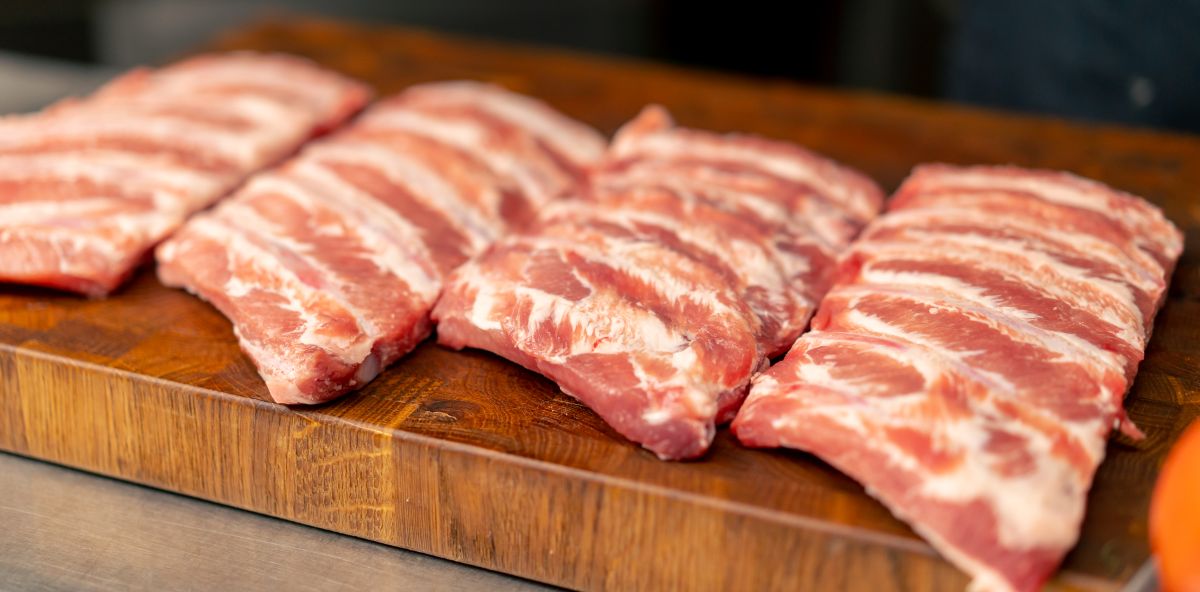
Experienced grillers tend to focus on something else. Before thinking about rubs, sauces, or smoking wood, they start by looking at marbling, thickness, and overall shape. Those details often determine how the finished ribs turn out long before they reach the grill.
Marbling Often Matters More Than Size
Large racks attract attention, but fat distribution plays a bigger role in flavor.
Small streaks of intramuscular fat melt during cooking, helping keep the meat moist while adding richness throughout each bite. Ribs with little marbling can dry out faster, especially during longer cooks.
Many pitmasters choose racks with consistent marbling across the entire slab rather than focusing on weight alone.
Uniform Thickness Helps Ribs Cook Evenly
Uneven racks create uneven results.
Thin sections can finish cooking long before thicker portions reach the proper temperature. That difference often leads to dry edges and undercooked centers on the same rack.
Ribs with a consistent thickness from end to end tend to cook more predictably and require fewer adjustments during grilling.
Clean Butchering Makes A Difference
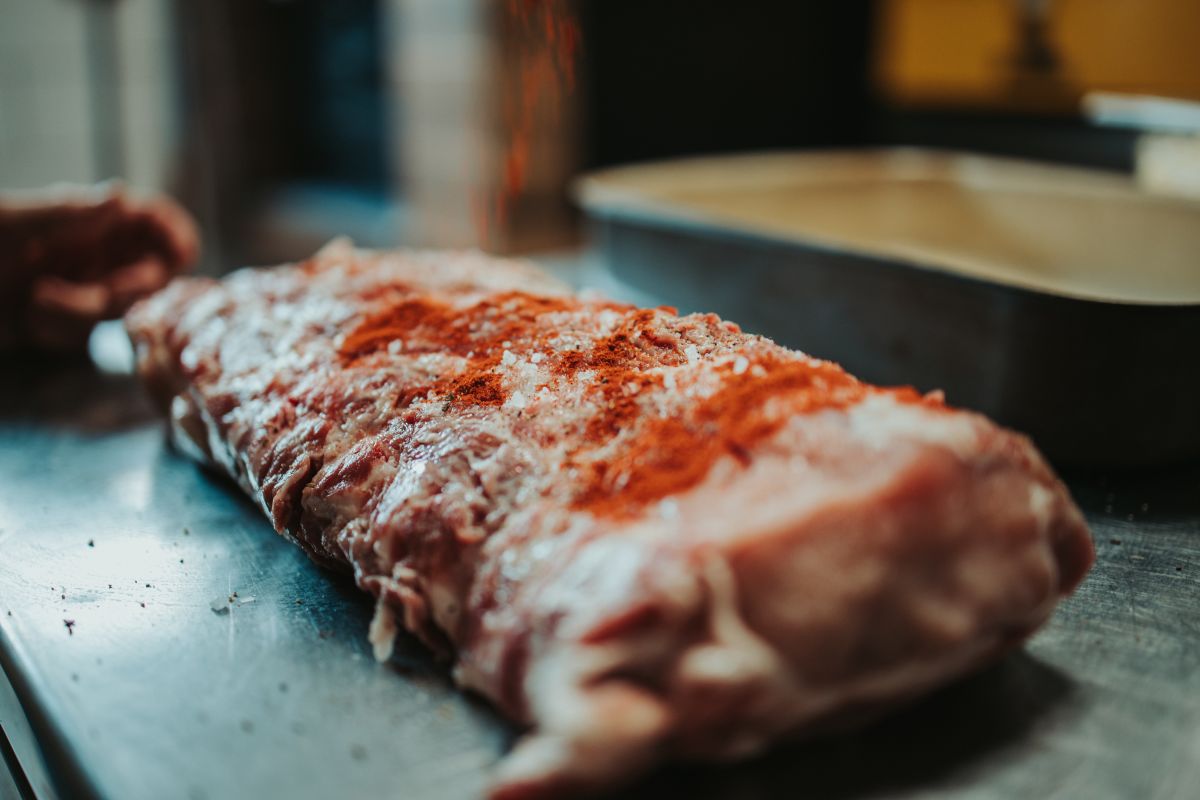
Quality ribs should look tidy before they ever reach the smoker.
Large cuts, deep gashes, loose pieces of meat, and ragged edges can dry out during cooking. Those sections often burn faster than the rest of the rack and affect the final appearance.
Many experienced buyers inspect the surface closely before making a selection.
St. Louis Ribs Remain A Favorite For Barbecue
Several cuts work well on the grill, but St. Louis ribs continue showing up in competition barbecue and backyard smokers.
Trimmed from spare ribs into a more rectangular shape, they cook evenly and offer a strong balance between meat, fat, and bone. Their uniform shape also makes seasoning and slicing easier.
That combination helps explain why many pitmasters reach for them first.
Beef Ribs Follow Different Rules
Beef ribs require a slightly different approach.
Many barbecue cooks look for thick, meaty ribs with minimal excess fat covering the surface. Large pockets of fat and cartilage often require trimming before cooking and reduce the amount of usable meat.
Plate ribs remain a favorite because of their rich marbling and substantial meat content, while beef back ribs often contain much less meat after butchering.
Better Ribs Start Before The Grill Turns On
Seasonings, sauces, and cooking techniques all matter.
Many successful barbecue cooks spend just as much time choosing the right rack as they do preparing it. Marbling, thickness, shape, and clean trimming often have a bigger impact on the final result than any bottle of sauce sitting beside the grill.
Good barbecue starts at the meat counter long before smoke begins rolling.
Leave a Reply