


Smoothie bowls often look impressive in photos but disappoint once they reach the spoon. Too much liquid turns them into regular smoothies, while ice can water down the flavor before breakfast is finished.
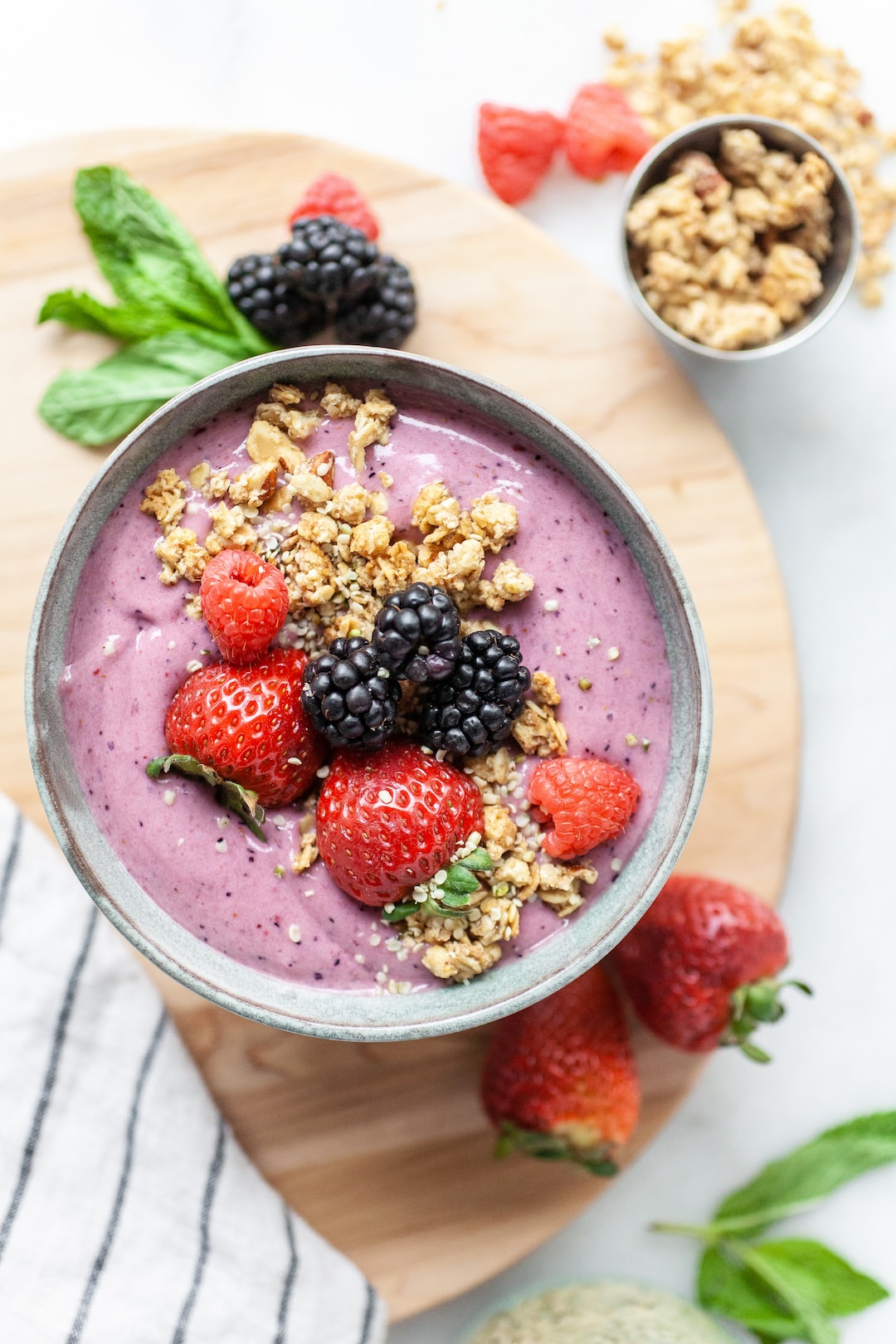
This berry smoothie bowl takes a different approach. Frozen fruit creates the thick texture, while avocado, protein powder, and berries turn it into something substantial enough for breakfast or a light meal. The result is a bowl that holds its shape, supports plenty of toppings, and delivers more than fruit alone.
Frozen Fruit Builds the Foundation
Frozen bananas and mixed berries do most of the heavy lifting.
Unlike fresh fruit, frozen fruit creates a texture closer to soft-serve than a drinkable smoothie. The berries bring sweetness and color, while the banana adds creaminess and body.
Because the fruit starts frozen, very little liquid is required. That helps the smoothie stay thick enough for a spoon.
Avocado Adds More Than Healthy Fat
Many smoothie bowls use yogurt for richness.
This recipe relies on avocado instead.
Avocado blends into the fruit without changing the flavor in a noticeable way. What it does change is texture. The added fat helps create a smoother consistency and makes the bowl more satisfying.
Nut butter can serve a similar role for those who prefer a different flavor profile.
Protein Turns It Into a Meal
Fruit alone can leave people hungry not long after breakfast.
Protein powder changes that equation.
A scoop blended into the fruit mixture adds staying power while helping balance the natural sugars from the berries and banana. Plant-based protein powders and collagen both work well depending on personal preference.
Toppings Create Contrast
Texture separates smoothie bowls from standard smoothies.
Fresh berries, granola, hemp seeds, pumpkin seeds, coconut flakes, and nut butter add crunch and variety across the surface. Each topping changes the experience without requiring any changes to the base recipe.
A bowl topped with granola and strawberries feels completely different from one finished with seeds and almond butter.
Less Liquid Produces Better Results
One mistake appears in many smoothie bowl recipes.
Too much liquid.
A small amount of almond milk allows the blender to work while preserving the thick consistency that defines a smoothie bowl. Extra liquid creates a thinner texture that works better in a glass than a bowl.
The goal is a mixture that can be spread with a spoon rather than poured.
One Recipe Supports Many Variations
Mixed berries are only one option.
Mango, peaches, strawberries, dragon fruit, bananas, and acai all work within the same framework. Once the thick base is mastered, different fruits can change the flavor without changing the method.
That flexibility helps explain why smoothie bowls continue showing up on breakfast menus and social feeds.
Texture Is What Makes The Difference
Smoothies and smoothie bowls often contain similar ingredients.
The difference comes from consistency.
Frozen fruit, limited liquid, healthy fats, and protein combine to create a bowl that feels closer to a meal than a drink. Add a layer of toppings on top, and the result becomes something far more satisfying than a standard fruit smoothie.
Leave a Reply