


Water is one of the basic ingredients in sourdough bread, but I swap it out when I want a different loaf. I use black coffee instead.
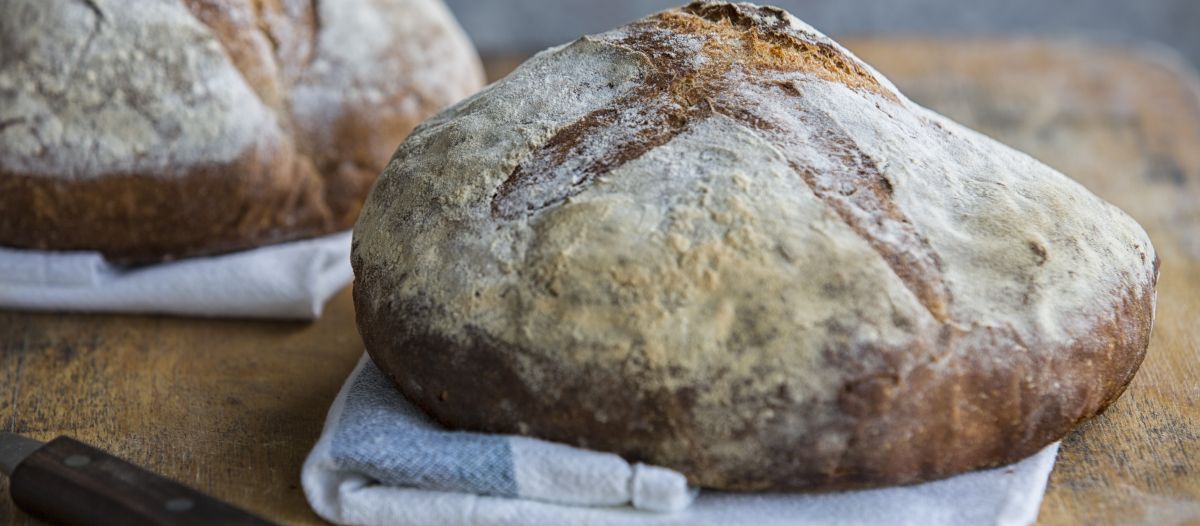
The substitution doesn't require changing the liquid measurement. If the sourdough recipe calls for one cup of water, I use one cup of coffee. It brings a mild coffee note, changes the color and aroma, and can produce a denser crumb.
Coffee Replaces the Water 1:1
I don't add coffee on top of the water already in the recipe.
It replaces the water in the same amount. Brewed coffee, pour-over, instant coffee, cold brew, or another black coffee can work.
Keep milk, cream, and sugar out of it. The coffee is taking the place of the recipe's water, not turning the dough into a sweet coffee drink.
I Let the Coffee Reach Room Temperature
Temperature matters before the coffee reaches the sourdough starter.
I let brewed coffee cool to room temperature rather than pouring it into the dough while hot. Cold coffee and cold brew can also work, but I let them warm to room temperature first.
Cold liquid can slow fermentation, while hot liquid isn't what I want coming into contact with the starter.
Coffee Can Slow the Fermentation
Replacing water with coffee can change more than flavor.
Caffeine may slow the activity of the sourdough starter, so the dough may not follow the same fermentation schedule as a loaf made with water.
The source suggests adding more starter or some vital wheat gluten as ways to counter that effect. I also watch the dough rather than assuming it will be ready at the same time as my usual sourdough.
The Finished Loaf Doesn't Taste Like a Cup of Coffee
Using coffee for all the liquid sounds like it would dominate the bread, but the source describes the coffee flavor as mild.
It adds a full-bodied, caramelized note while changing the loaf's aroma and color. The bread can still work with savory meats, cheese, jam, or chocolate rather than becoming a dessert loaf.
The crisp exterior and soft interior can remain, though the crumb may come out denser.
Some Caffeine Remains After Baking
Baking doesn't mean all the caffeine disappears.
The source notes that caffeine remains stable at temperatures above those used for most bread baking, so some can remain in the finished loaf. The amount depends on how much caffeine was in the coffee used to make the dough.
That's worth remembering if I'm making the bread for someone who avoids caffeine.
Water may be the standard liquid in sourdough, but it isn't the only one I can use. When I replace it with coffee, I keep the amount the same, let it reach room temperature, and expect fermentation and the finished crumb to behave a little differently.
Would you replace all the water in sourdough with coffee, or try only part of it first?
Leave a Reply