


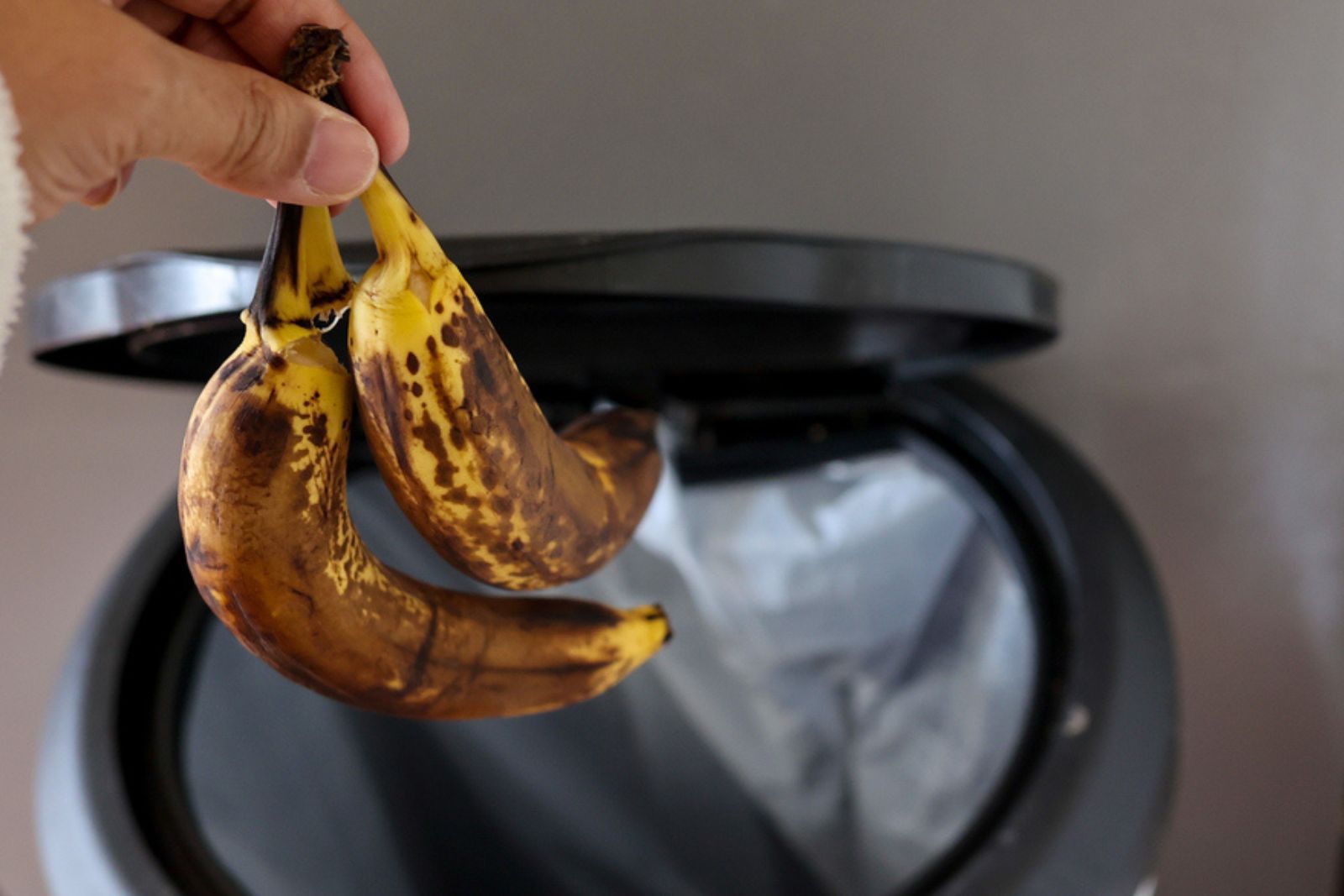
You're cutting up a butternut squash for soup. The tough skin goes in the trash, and so does the stringy mess of seeds. Then you slice a watermelon and toss the rinds, trim the pepper and scrape out the core. By the end, the trash can holds almost as much produce as the cutting board.
This is not your fault. Most of us learned to peel, core and trim without thinking twice. But a new lab study suggests that many of those scraps carry more fiber than the parts we keep.
What the scraps had that the flesh didn't
Researchers at King's College London measured the fiber in 12 common fresh fruits and vegetables, comparing the parts people usually eat with the parts that usually get thrown away: skins, peels, seeds, stalks and cores. In 10 of the 12, the discarded parts had more fiber. The study was published in the International Journal of Food Sciences and Nutrition and grew out of the university's root-to-tip project.
Some of the numbers stand out. Butternut squash skin and seeds had 9.25 grams of fiber per 100 grams, and watermelon rind had 2.10 grams. Pineapple skin and core had several times more fiber than the flesh. Those leftover parts made up 25% to 48% of the produce's weight, which is a lot of fiber heading to the trash.
Not every scrap wins. Broccoli stalks had 28.4% less fiber than the florets, so in that case the part most people eat is the richer one.
Why the outer layers are so fibrous: King's College lecturer Balazs Bajka has noted that protective parts like peels and rinds tend to have thicker cell walls.
Bringing the scraps back into the kitchen
- Wash first. Rinse produce under running water and scrub firm skins, like squash and melon, with a clean produce brush.
- Roast the squash whole. Cut butternut squash into 1-inch cubes with the skin on, toss with 1 tablespoon of olive oil and roast at 425°F for 30 to 35 minutes, until the skin softens.
- Toast the seeds. Rinse the squash seeds, pat them dry, toss with a little oil and salt and bake at 325°F for 15 to 20 minutes, stirring once.
- Keep the pepper's seeds. Slice bell peppers with the seeds attached and add them to stir-fries, fajitas or roasted vegetables.
- Leave the kiwi fuzzy. Wash a kiwi well and eat it sliced with the skin on.
Plan B if the textures don't win you over right away: start with one swap a week, or blend skins into soups where you won't notice them. Lively Table's tips for reducing food waste include more ways to use stalks and greens you might normally throw out.
Where the fiber findings stop
All of the measurements were made on raw produce, and the researchers note that cooking can change both fiber content and digestibility. The study also covered only 12 types of produce grown for one market, and it measured fiber, not health outcomes in people who ate the scraps.
Fiber still matters. The Daily Value for fiber is 28 grams, and adding more of it all at once can cause gas and bloating. MedlinePlus advises adding fiber gradually over a few weeks and drinking plenty of fluids.
Some scraps are simply hard to chew or digest. In a focus group that was part of the study, people raised concerns about digestibility, so skip anything that bothers your stomach. If you have a digestive condition, ask your doctor or a registered dietitian which skins and seeds are right for you.
Wash it well, roast the skin on, and save the seeds before they hit the trash. That's the trick.

Leave a Reply