


Thai red curry paste gets its name from its color, which leads many people to assume red chilies are responsible for most of its flavor. Remove the chilies, and many expect the paste to lose its identity altogether.
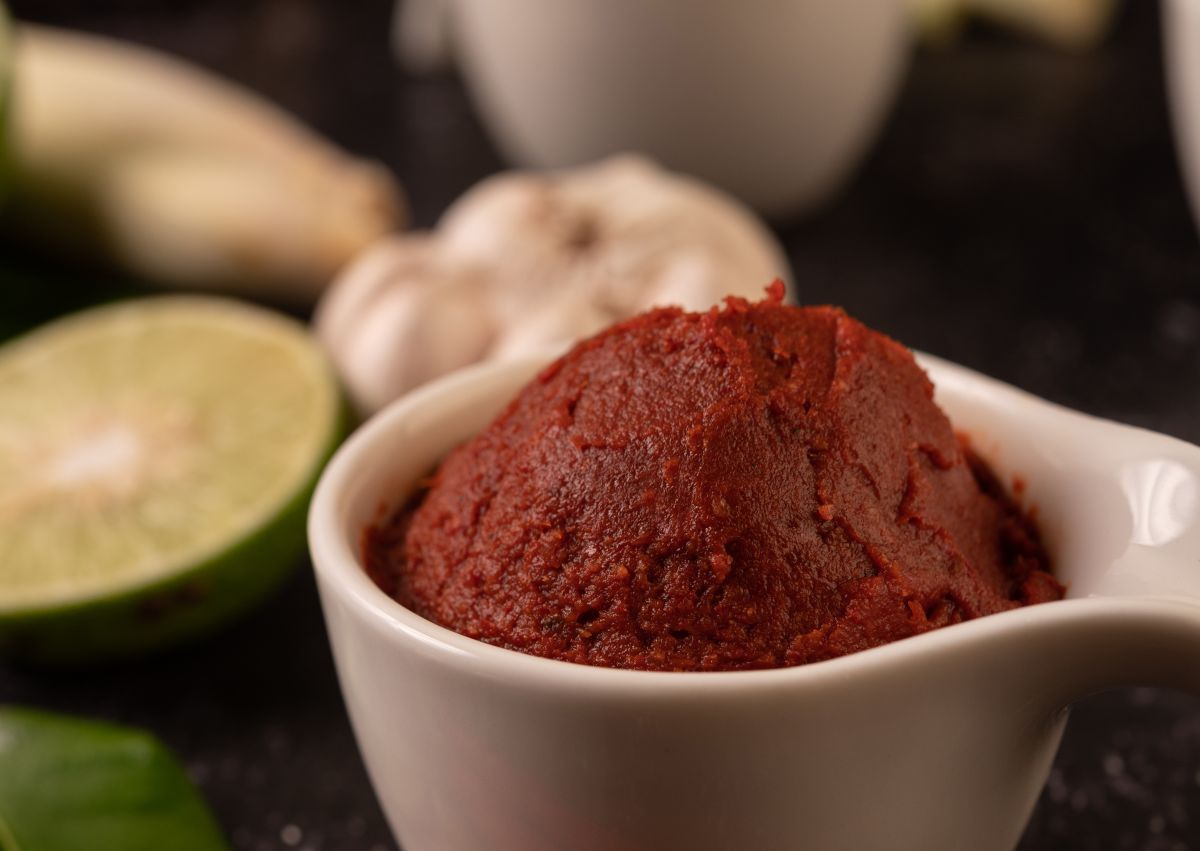
A recent discussion among home cooks dealing with capsaicin intolerance challenged that idea. Instead of replacing Thai red curry with something else, they focused on rebuilding the paste around the ingredients that often receive less attention. Lemongrass, galangal, garlic, shallots, coriander, cumin, lime zest, and shrimp paste remained at the center of the recipe, while the chilies disappeared entirely.
Most Of The Flavor Comes From Aromatics
Heat is only one part of Thai red curry paste.
Lemongrass contributes citrus notes. Galangal adds sharp, earthy depth. Garlic and shallots create the savory foundation, while coriander and cumin bring warmth and complexity. Shrimp paste supplies the rich umami flavor that gives many Thai curries their distinctive character.
Without chilies, the paste loses heat, but much of the flavor remains intact.
White Pepper Started Replacing Some Of The Missing Heat
Several cooks pointed toward white pepper as one of the simplest ways to add warmth without relying on capsaicin.
Unlike chili peppers, white pepper creates a different type of heat that spreads across the palate without the burning sensation associated with hot peppers. Ginger, mustard, horseradish, and grains of paradise also appeared as alternatives for people looking to add another layer of spice.
Each option changes the flavor profile, but all help prevent the curry from tasting flat.
Red Color Doesn't Have To Come From Chilies
Color often becomes the biggest visual challenge after removing red peppers.
Some cooks suggested beetroot powder or grated beetroot to create the familiar red appearance. Others mentioned annatto, which adds color without introducing pepper flavor or capsaicin.
Neither ingredient replicates the taste of chilies, but both preserve the look many people associate with red curry paste.
Homemade Curry Paste Gives More Control
Store-bought curry pastes rarely work for people who need to avoid peppers because chilies form the backbone of most commercial blends.
Making curry paste from scratch allows every ingredient to be adjusted. More lemongrass can increase freshness. Extra galangal can strengthen the aromatic profile. White pepper can provide additional warmth. Lime zest can brighten the entire mixture.
Small adjustments often produce better results than searching for a direct chili substitute.
Thai Red Curry Paste Is More Than Heat
Many people discover that red curry paste depends on a larger group of ingredients than expected.
Chilies provide heat and color, but the citrus, herbal, savory, and aromatic elements come from ingredients that remain even after the peppers disappear. Once those flavors become the focus, a different version of red curry paste starts taking shape, one built around complexity rather than spice alone.
Leave a Reply