


Traditional spareribs have built their reputation on long cooks. Smokers, ovens, and grills often keep racks over heat for four to six hours before the meat becomes tender enough to pull from the bone.
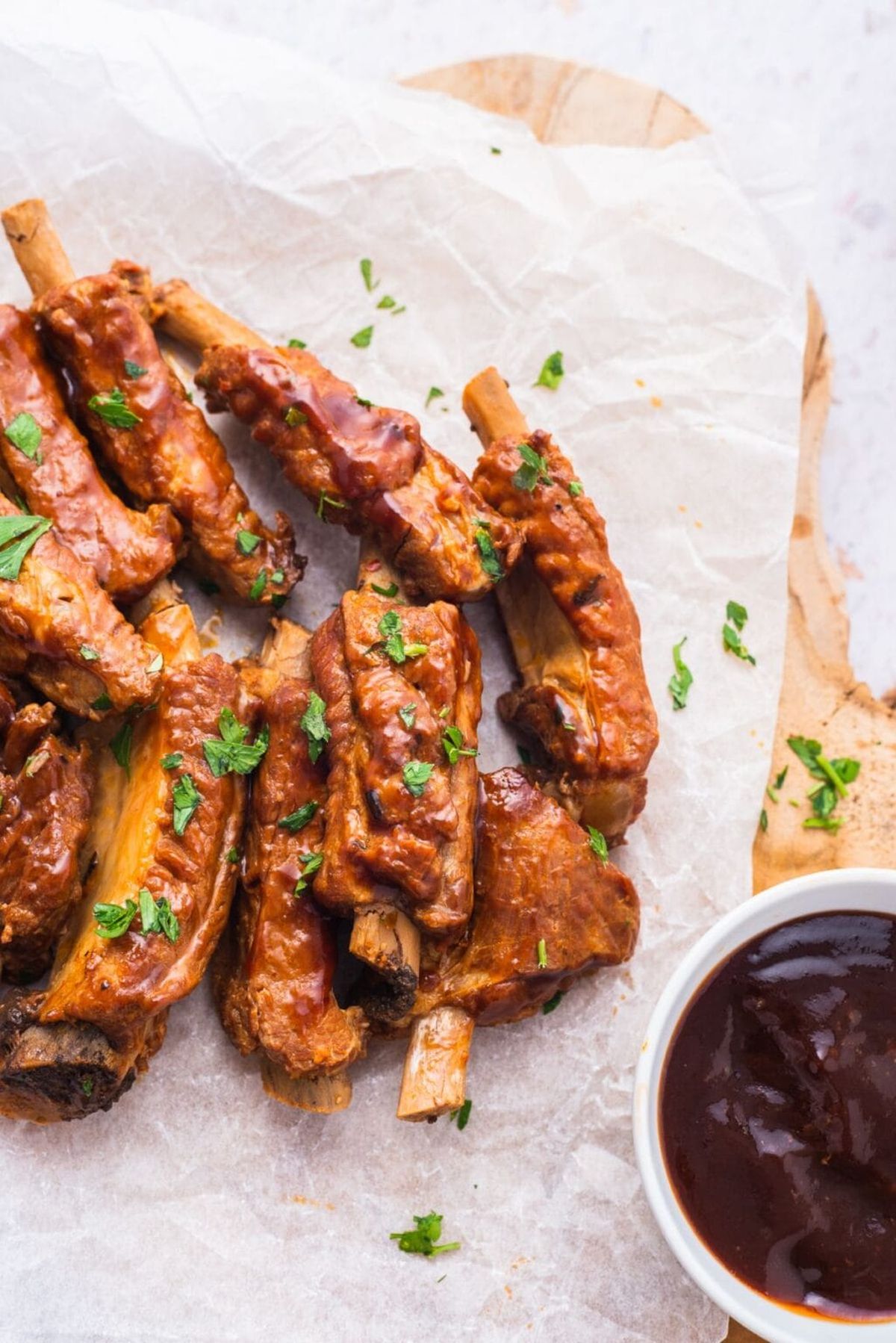
Pressure cookers have started changing that expectation. Instead of treating ribs as an all-day project, more home cooks are using the Instant Pot to pressure-cook spareribs in about 30 minutes before brushing them with barbecue sauce for the final finish. The result won't replace smoked barbecue, but it offers a shortcut that fits busy weeknights.
Pressure Cooking Softens Tough Cuts Faster
Spareribs contain plenty of connective tissue.
Inside a sealed pressure cooker, steam and high pressure break that tissue down much faster than dry heat. Meat that normally requires hours gradually becomes tender in a fraction of the time while staying moist throughout the cook.
The process removes much of the waiting rather than the flavor.
The Barbecue Sauce Comes Later
Many people expect barbecue sauce to cook with the meat.
Instead, only part of the sauce cooks under pressure. The remaining sauce is brushed over the ribs after cooking, creating a fresher barbecue flavor and preventing the sugars from overcooking during the pressure cycle.
That final coating gives the ribs the familiar sticky finish.
Dry Spices Still Build Flavor
The shorter cooking time doesn't eliminate seasoning.
Garlic powder, onion powder, paprika, oregano, salt, and chili flakes coat the ribs before pressure cooking begins. As the meat cooks, those spices season every bite without requiring hours inside a smoker.
Simple pantry spices replace lengthy smoking sessions.
Weeknight Ribs Become More Practical
Long barbecue sessions don't always fit busy schedules.
Pressure cooking turns ribs into a meal that can move from refrigerator to dinner table in well under an hour. That makes spareribs realistic for weeknight dinners instead of saving them only for weekends or special occasions.
Convenience becomes part of the recipe.
Smoked Barbecue Still Has Its Place
The Instant Pot isn't trying to replace traditional barbecue.
Wood smoke still creates flavors and bark that pressure cooking cannot duplicate. Instead, this method focuses on tenderness and speed, giving home cooks another option when time matters more than spending an afternoon tending a smoker.
Different methods simply suit different occasions.
Why This Shortcut Keeps Growing
Pressure cookers first became popular for soups and stews. Now they're tackling foods that once seemed reserved for smokers and ovens. Spareribs are one of the clearest examples. By combining pressure cooking with a final layer of barbecue sauce, more home cooks are discovering that tender ribs no longer require an entire afternoon.
Leave a Reply