


Broccoli can still feel firm and look usable when a few florets begin shifting from deep green to yellow. That small color change is worth noticing before the bunch reaches your grocery cart.
As broccoli turns yellow, its flavor can become bitter. Cooking doesn't hide the change either. According to the source, the bitterness becomes more pronounced once the broccoli is cooked. Even yellow patches across a small section of the florets can signal that the broccoli is past the stage you want to buy.
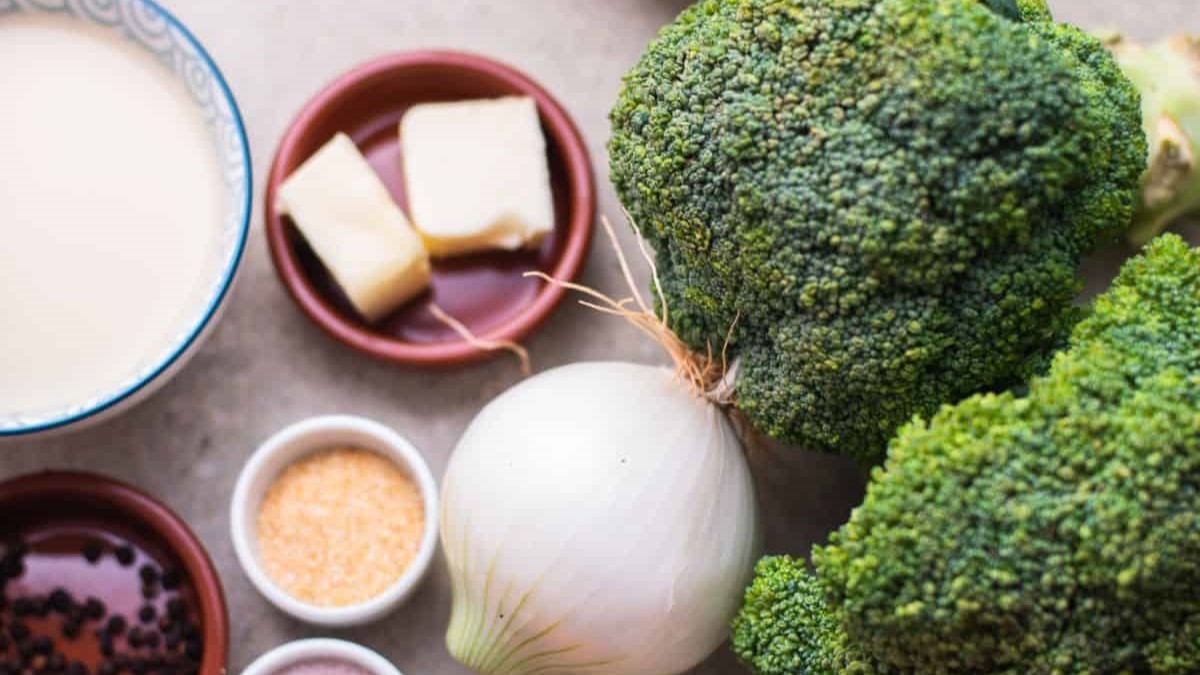
Green Florets Are the Better Pick
Color provides a quick way to compare heads of broccoli in the produce section. Look across the crown rather than checking only the stem or the outside edge.
Yellowing florets are different from a few damaged spots you could trim away. The source recommends avoiding broccoli once the florets begin turning yellow because the change affects its taste.
Broccoli already sitting in the refrigerator follows the same rule. Once the crown has turned yellow, the source recommends discarding or composting it rather than expecting cooking to restore the flavor.
Purple Can Mean Something Very Different
Yellow isn't the only unexpected color broccoli can develop. A slight purple tint can appear on broccoli exposed to frost while growing, and in this case the color isn't presented as a warning sign.
The source notes that frost-exposed broccoli can taste sweeter, making a purple cast something worth noticing during fall shopping rather than a reason to reject the bunch.
Purple sprouting broccoli is another case altogether. This variety is grown through winter and harvested in spring, producing tender, sweet shoots instead of one large head. Much of its purple color fades during cooking, though some can remain on the stems.
Broccoli Crowns Aren't Always the Better Buy
Color isn't the only detail worth checking at the store. Broccoli may be sold as a whole bunch with long stems or as crowns with most of those stems removed.
Crowns can cost more per pound. They reduce the amount of stem you're bringing home, but that matters less if you know how to use the stems rather than discard them.
Thick broccoli stems can have a tough exterior. Running a vegetable peeler over that outer layer exposes the more tender center underneath.
Stems and Florets Can Cook in the Same Pan
Different thicknesses make stems and florets seem like they need separate cooking times. The source uses their difference to an advantage.
Cut stems go at the bottom of a pan and are covered with water, while the florets sit above them. Once the water comes to a boil and the heat drops to a simmer, the covered pan cooks the two sections in different ways: the stems boil while the florets steam.
That means the part often discarded can reach tenderness alongside the florets. And at the grocery store, the more important part to leave behind may be the broccoli already showing yellow across its crown.
Leave a Reply