


Slow cookers have earned a permanent place in kitchens for one reason: they turn tough pork ribs into meat that falls from the bone with almost no effort.
More cooks, however, have started adding one final step before serving. Instead of bringing ribs straight from the slow cooker to the table, they coat them with a honey mustard glaze and finish them under high heat.
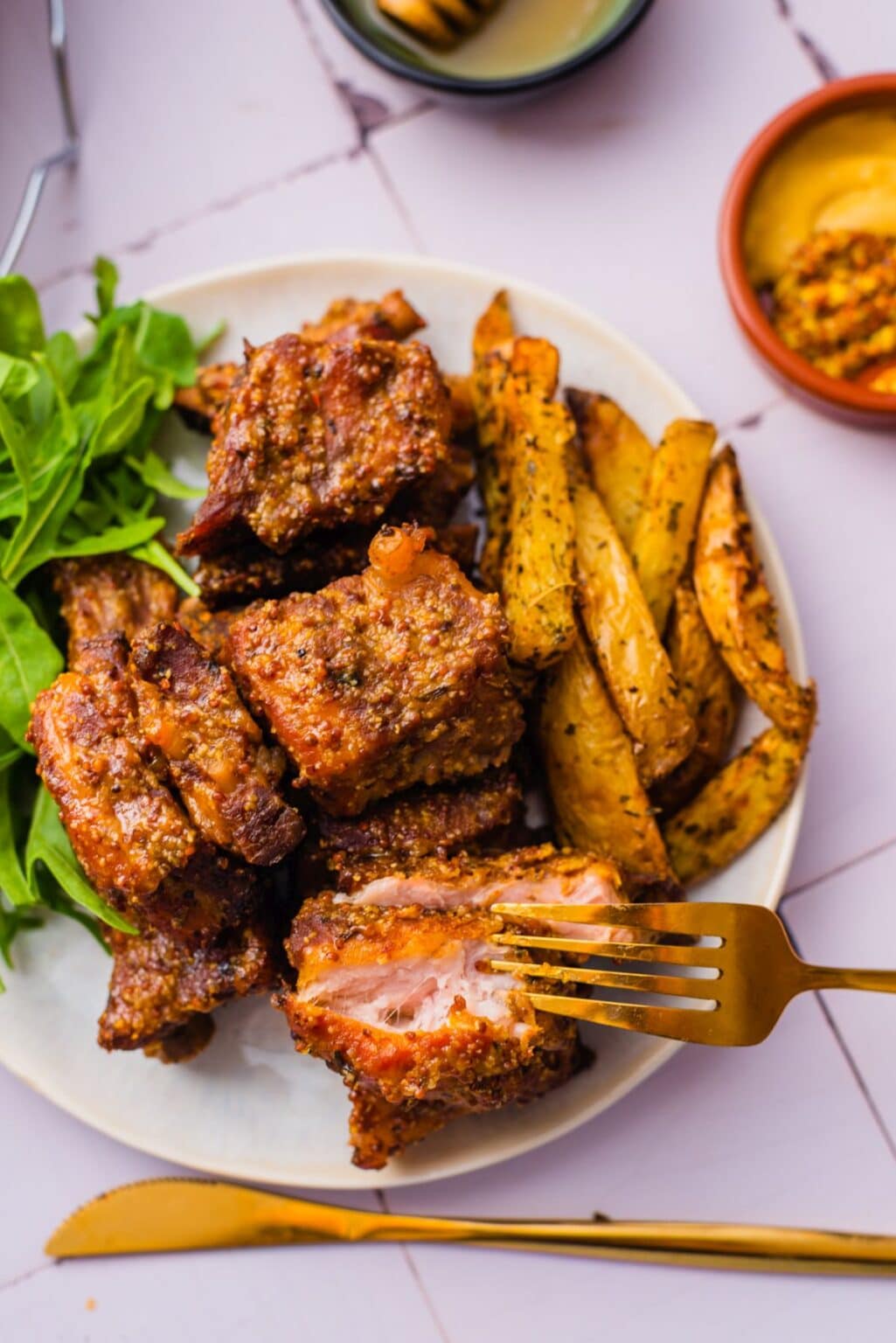
That extra layer changes the entire dish. Honey creates caramelized edges, Dijon mustard adds sharp contrast, and the glaze forms a golden coating that stands apart from traditional barbecue sauce. The combination has become a fresh alternative for summer dinners, backyard cookouts, and family gatherings.
Slow Cooking Creates Fall-Off-The-Bone Texture
Pork ribs contain large amounts of connective tissue that require long cooking times.
Low heat over several hours breaks down collagen without drying the meat. By the time the ribs leave the slow cooker, they separate from the bone with very little effort while staying juicy throughout.
Honey And Mustard Replace Traditional BBQ Sauce
Barbecue sauce remains the standard finish for ribs, but honey mustard creates a completely different flavor profile.
Honey contributes sweetness and helps the glaze caramelize under heat. Dijon mustard balances that sweetness with acidity and a mild bite that cuts through the richness of the pork.
Oven Heat Builds A Golden Crust
Slow cookers cannot produce caramelization on their own.
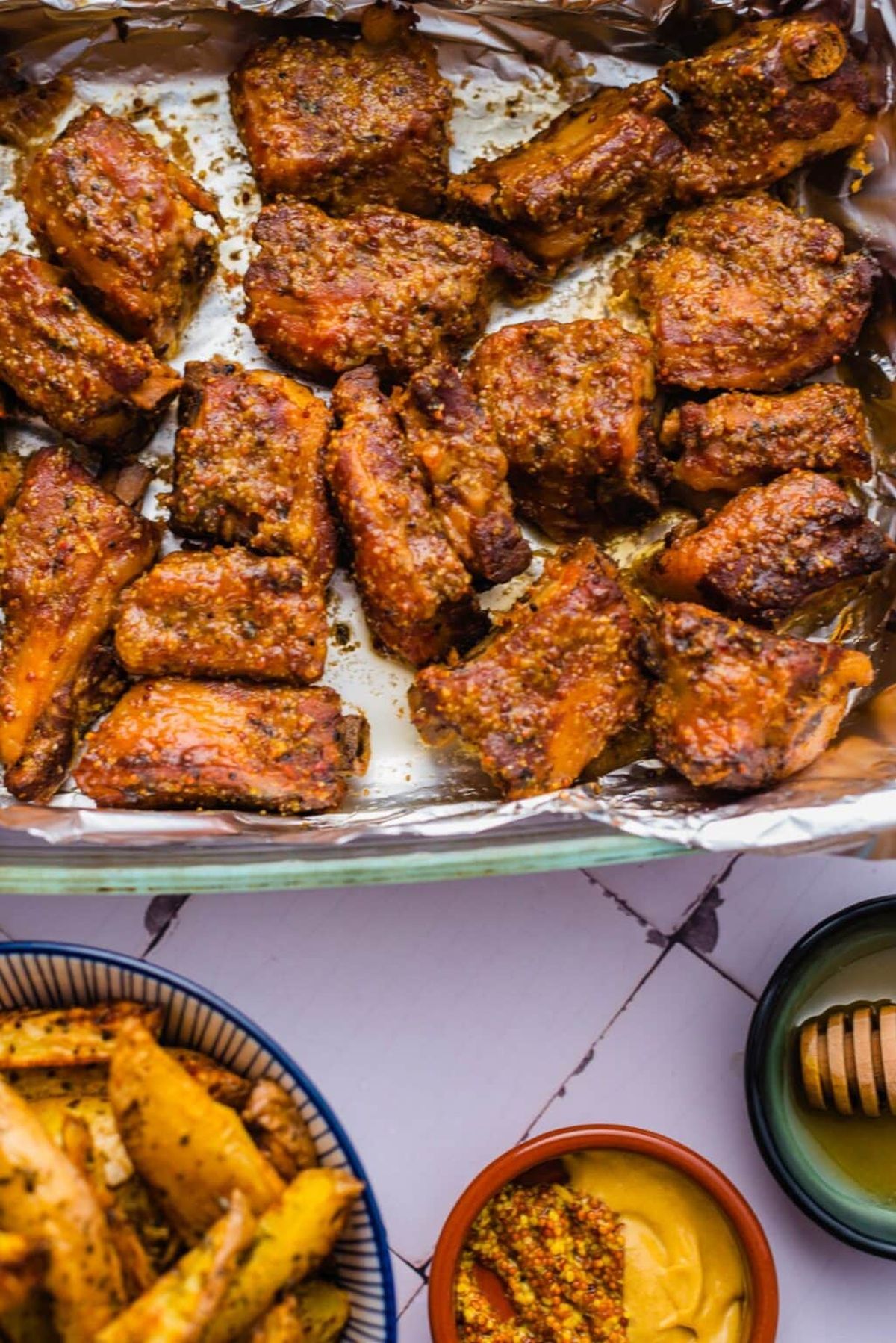
Brushing the ribs with glaze before transferring them to the oven creates the finish. High heat thickens the glaze, deepens its color, and forms a lightly sticky coating across the surface while keeping the inside tender.
Fresh Herbs And Seasonings Build Flavor Before Cooking
The glaze is only part of the finished flavor.
Olive oil, oregano, thyme, Cajun seasoning, salt, and mustard coat the ribs before they enter the slow cooker. During the long cook, those seasonings penetrate the meat instead of remaining only on the exterior.
Backyard Cookouts Do Not Always Require A Smoker
Smoking ribs demands hours of attention and careful temperature control.
Slow cooking handles most of the work before the ribs receive their final glaze and finish in the oven. That shorter hands-on process allows cooks to serve tender ribs with a caramelized exterior without dedicating an entire day to the smoker, making the method a practical choice for summer gatherings and holiday meals.
Leave a Reply