


Salt usually moves from the pantry to a cutting board, pot, or dinner plate, but another use has been spreading through kitchens. Some people are pouring salt into sink drains, followed by hot water, as a way to deal with grease, food residue, odors, and slow drainage.
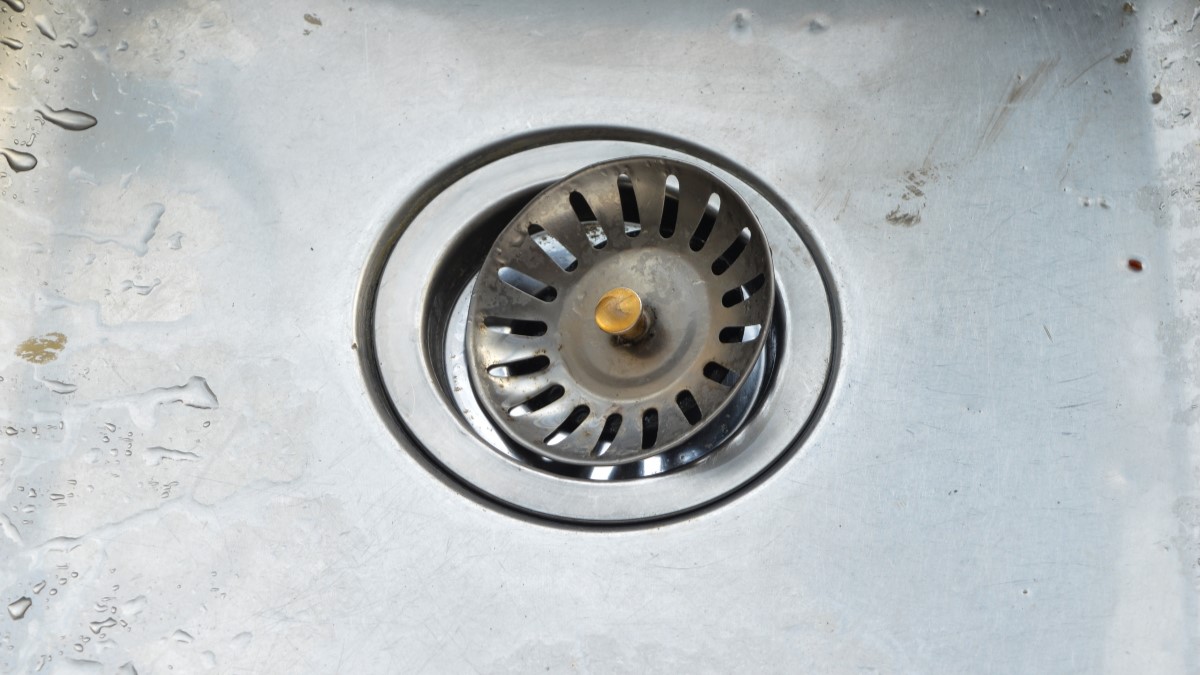
The idea sounds plausible because coarse salt can scrub cookware and cutting boards, while salt plays a role in food preservation and cleaning. A kitchen drain presents a different problem. Once salt enters the pipe, it cannot scrub the interior the way it does when rubbed across a surface, and it does not break apart the materials behind many clogs.
That distinction matters before a cooking ingredient becomes part of the kitchen cleaning routine.
Salt Has a Cleaning Role Elsewhere in the Kitchen
Salt can provide abrasion when cleaning surfaces because its crystals create friction against stuck food and residue. That effect depends on contact and movement, such as rubbing salt across cookware rather than sending it through a pipe with water.
Pouring salt into a drain removes much of that advantage. The crystals travel with the water, dissolve, or settle instead of being worked against the pipe walls. A property that helps at the sink surface does not produce the same result beneath it.
Cooking Grease Creates a Different Problem
Kitchen drains collect more than loose crumbs. Fats and oils can enter the plumbing as liquids before cooling and coating pipe surfaces, where other food particles can join the buildup.
Salt does not provide a dependable way to remove that grease once it has collected inside the drain. Adding more solid material to a drain that already struggles to move water also fails to address the source of the obstruction.
Keeping cooking oil and grease out of the sink remains more useful than trying to remove the buildup with another pantry ingredient after it enters the plumbing.
Boiling Water Is Part of the Same Kitchen Hack
Many versions of the salt trick call for boiling water after the salt, with the heat expected to loosen grease and carry residue farther through the drain.
That step introduces another concern. Water straight from a boil can exceed the operating temperature intended for some plastic plumbing components, while abrupt temperature changes can put stress on some sink materials. Using hotter water does not turn salt into a stronger clog remover.
The combination takes two familiar kitchen materials and gives them a job neither was designed to handle.
Food Scraps Are Better Stopped Before the Drain
Cooking creates small pieces of vegetables, grains, coffee grounds, fats, sauces, and other residue that can reach the sink during preparation and cleanup. A drain strainer can catch solid pieces before they enter the pipe, while oils and fats can be collected for disposal instead of rinsed away.
These habits target the material before it reaches a section of plumbing that is harder to access. They also avoid depending on salt, baking ingredients, or other pantry staples after drainage has slowed.
Save the Salt for Cooking
Salt has dozens of jobs in the kitchen, from seasoning pasta water to drawing moisture from vegetables, but clearing a clogged drain is not one of its dependable uses.
If a kitchen sink begins draining at a slower rate, the cause matters more than the pantry ingredient poured on top of it. Removing trapped food, grease, or another obstruction addresses the material causing the problem, while the salt can stay where it has a proven purpose: in the food.
Leave a Reply