


Vinegar and dish soap each handle a different part of kitchen cleanup. Vinegar helps loosen mineral deposits, soap residue, and other buildup, while dish soap contains surfactants that lift grease and oils from a surface.
Mixing the two can give you a useful kitchen cleaner, despite claims that their different pH levels make the combination ineffective. The bigger problem can come from adding too much dish soap. Instead of making the cleaner stronger, extra soap can leave a film behind that requires another round of rinsing.
Homedit has covered home cleaning methods and household tips since 2008, and with homemade cleaners, more of an ingredient does not always mean better results.
Use Much Less Dish Soap Than Vinegar
A workable mixture uses 1 cup of white distilled vinegar, 1 cup of warm water, and about 1 teaspoon of dish soap. That small amount of soap adds surfactants without turning the mixture into a thick, sudsy cleaner.
Adding a large squeeze of dish soap may seem useful when tackling grease, but it can make the surface harder to rinse. Soap left behind can create streaks or a dull film, especially across broad surfaces such as counters and backsplashes.
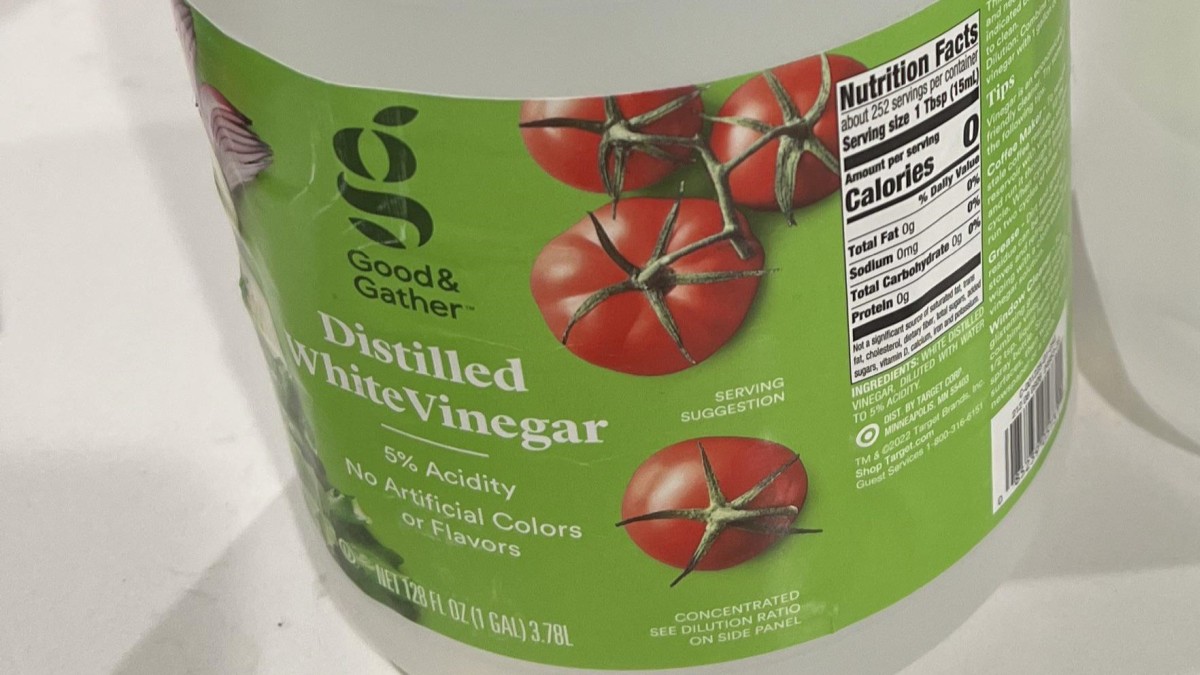
White distilled vinegar works for this mixture, while cleaning vinegar contains a higher concentration of acetic acid. Whichever type you use, there is no need to increase the amount of dish soap to match it.
Mix Only What You Plan to Use
Vinegar, water, and dish soap are better mixed in small batches for the cleaning job at hand rather than stored as a homemade cleaner.
Combine the ingredients before cleaning and avoid shaking the container hard, which can create excess foam. A gentle mix distributes the dish soap without filling the bottle with bubbles.
For greasy messes, the dish soap helps lift oils while the vinegar targets buildup that soap may leave behind. Wiping or rinsing the surface after cleaning also helps remove any remaining soap.
Keep Vinegar Away From Certain Kitchen Surfaces
The mixture may be useful for some sinks, tile, vinyl, backsplashes, and compatible countertops, but vinegar limits where it can go. Its acidity can damage natural stone surfaces such as marble and limestone and should also be kept away from cast-iron cookware.
Wood surfaces can also react poorly to repeated vinegar cleaning, depending on the finish. Stainless steel requires care as well, since the mixture may leave streaks or smudges rather than the clean finish you expect.
Checking the manufacturer's cleaning instructions remains important for countertops, flooring, appliances, and other finished surfaces. A homemade cleaner is only useful when its ingredients are safe for the material underneath the mess.
Would you try vinegar and dish soap together, or do you prefer keeping the two cleaners separate?
Leave a Reply