


Homemade veggie burgers can taste great in the bowl and still cause trouble once they reach the grill. Beans and chopped vegetables contain enough moisture that loosely formed patties can crack, stick, or break apart when it is time to flip them.
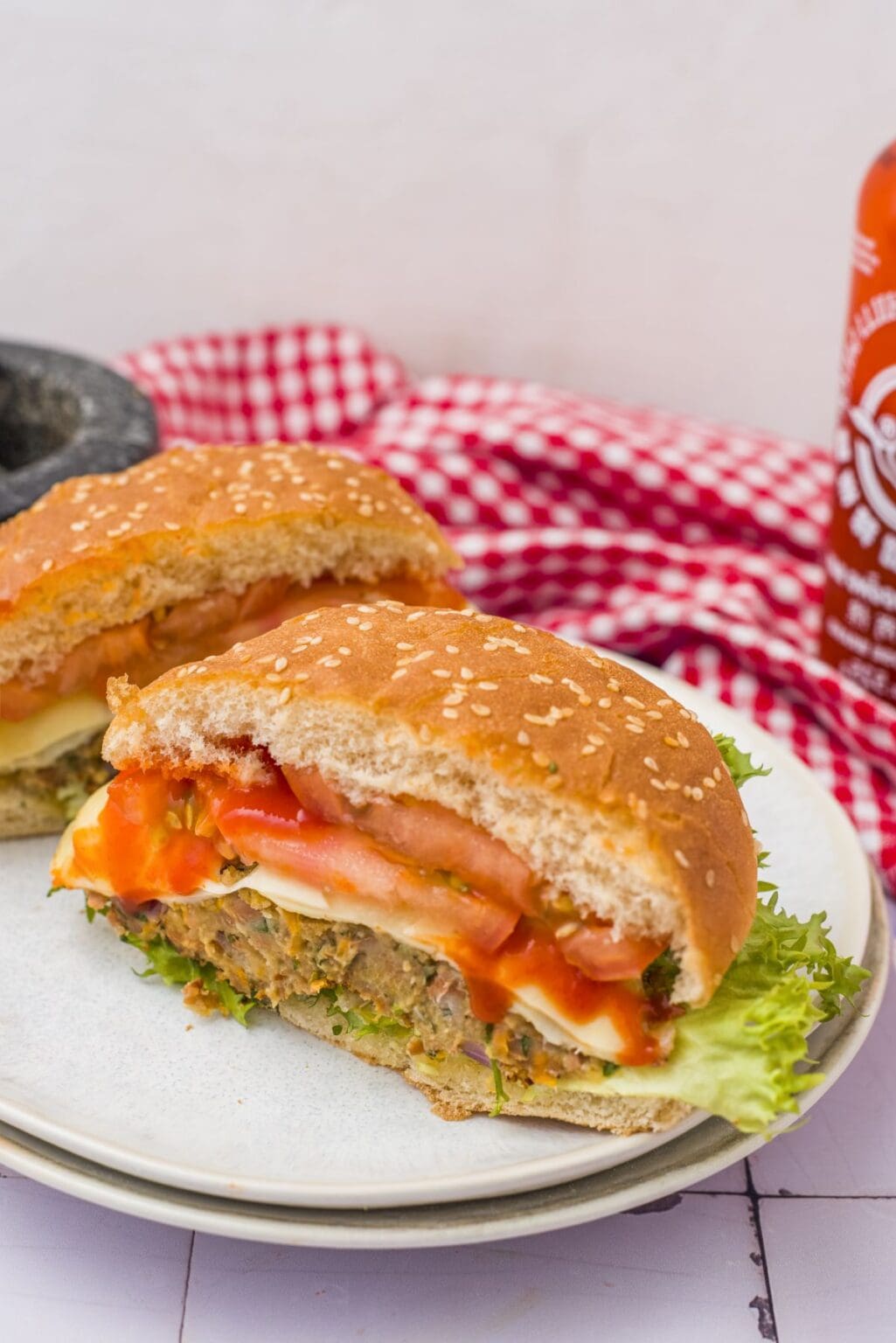
One ingredient offers a simple way to control that texture. In a grilled veggie burger recipe from Lively Table, breadcrumbs are added only when the mixture feels too wet. Rather than serving as the main ingredient, they absorb excess moisture until mashed beans, grated carrot, onion, garlic, parsley, and seasonings can form patties that hold their shape.
Mashed Beans Create the Patty Base
Cooked pinto beans form the bulk of these burgers and need to be mashed before the vegetables go into the bowl.
Mashing breaks down enough of the beans to create a thick base that can bind the other ingredients. Some texture can remain, but whole beans alone would leave more gaps inside the patty and make shaping harder.
Red beans, black beans, chickpeas, or lentils can also take the place of pinto beans, though each substitution can change how wet or firm the mixture feels.
Vegetables Add Moisture Along With Texture
Grated carrot, thin-sliced red onion, minced garlic, and chopped parsley give the patties more texture than a mixture made from beans alone.
Those additions also introduce moisture. That matters once the mixture has to be pressed into a burger shape and moved onto a hot cooking surface.
Rather than adding a fixed amount of breadcrumbs from the start, the recipe calls for up to one cup as needed. The texture of the mixture determines how much goes in.
Breadcrumbs Correct a Mixture That Feels Too Wet
Breadcrumbs absorb some of the moisture surrounding the beans and vegetables, making the mixture firmer and easier to shape.
Adding them as needed also avoids the opposite problem. Too much dry material can produce a crumbly patty that struggles to stay together for a different reason.
If the mixture becomes too dry, a small amount of olive oil can restore moisture. An egg can also help bind the ingredients, though using one means the burger is no longer vegan.
Cold Patties Can Hold Their Shape Better
Forming the burgers isn't the last step that can help prevent breakage.
The recipe suggests chilling the patties in the refrigerator for at least an hour before cooking. Cooling gives the formed mixture time to firm up before it has to withstand moving, heating, and flipping.
That extra step can matter with homemade veggie burgers because they don't have the dense structure of ground meat patties.
Lower Heat Gives the Burger Time to Cook
High grill heat that works for some beef burgers isn't the target here.
These patties cook over medium-low heat with olive oil for about five minutes per side. The gentler temperature gives the exterior time to brown without scorching before the center has heated through.
Brushing the patties with a small amount of olive oil can also help keep them from sticking to the cooking surface.
Texture Determines What Goes Into the Bowl
The recipe leaves room for zucchini, sweet potato, pumpkin, quinoa, different beans, and fresh herbs, but those substitutions make the consistency of the mixture even more important.
Wet vegetables may require more breadcrumbs, while drier additions can call for less. Almond flour can replace breadcrumbs for a gluten-free version.
That makes the useful part of the technique less about following a fixed breadcrumb measurement and more about watching the mixture itself. Mash the beans, add the vegetables, then use the dry ingredient only until the patties are firm enough to shape and survive the grill.
Leave a Reply