


Banana muffins have long relied on wheat flour, but more home bakers now reach for almond flour instead. The change delivers muffins with a softer crumb, richer flavor, and more moisture while appealing to anyone looking for grain-free baking rather than only those avoiding gluten.
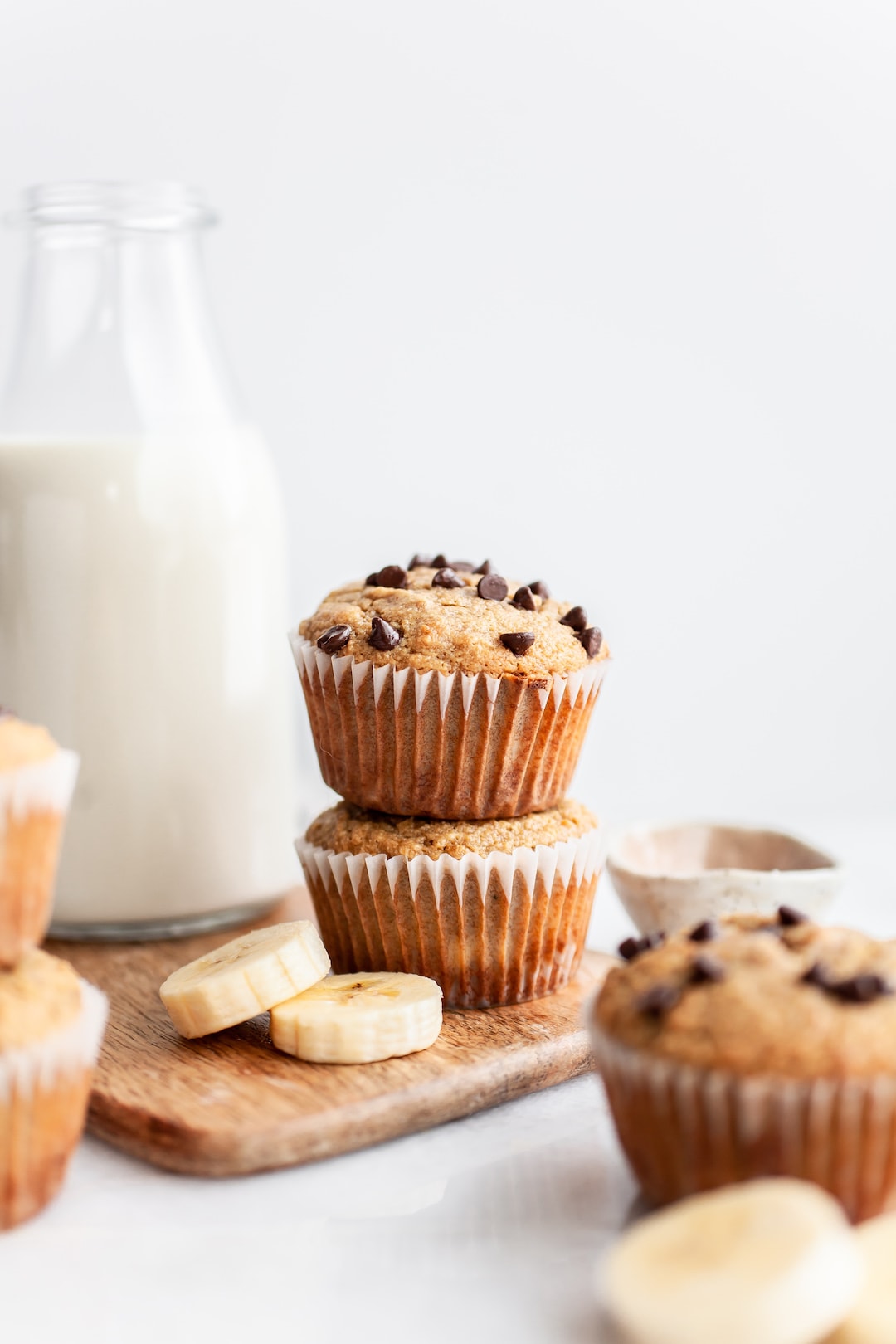
Mashed banana, almond flour, and a small amount of tapioca flour create muffins that stay tender for days without depending on refined flour. The combination has helped almond flour become a common pantry ingredient instead of a specialty baking product.
Almond Flour Changes The Texture
Almond flour behaves differently than wheat flour.
Ground almonds contribute natural oils that keep the muffins moist while creating a tender crumb that stays soft after baking. The mild nutty flavor also complements ripe bananas without competing for attention.
Tapioca Flour Holds Everything Together
Almond flour benefits from support.
A small amount of tapioca flour improves structure, helping the muffins hold together while remaining light. The result slices and stores better than almond flour alone.
Ripe Bananas Replace Extra Sweeteners
Bananas contribute more than flavor.
As the fruit ripens, natural sugars increase while the flesh becomes easier to mash into a smooth batter. That sweetness reduces the need for large amounts of refined sugar while keeping the muffins moist.
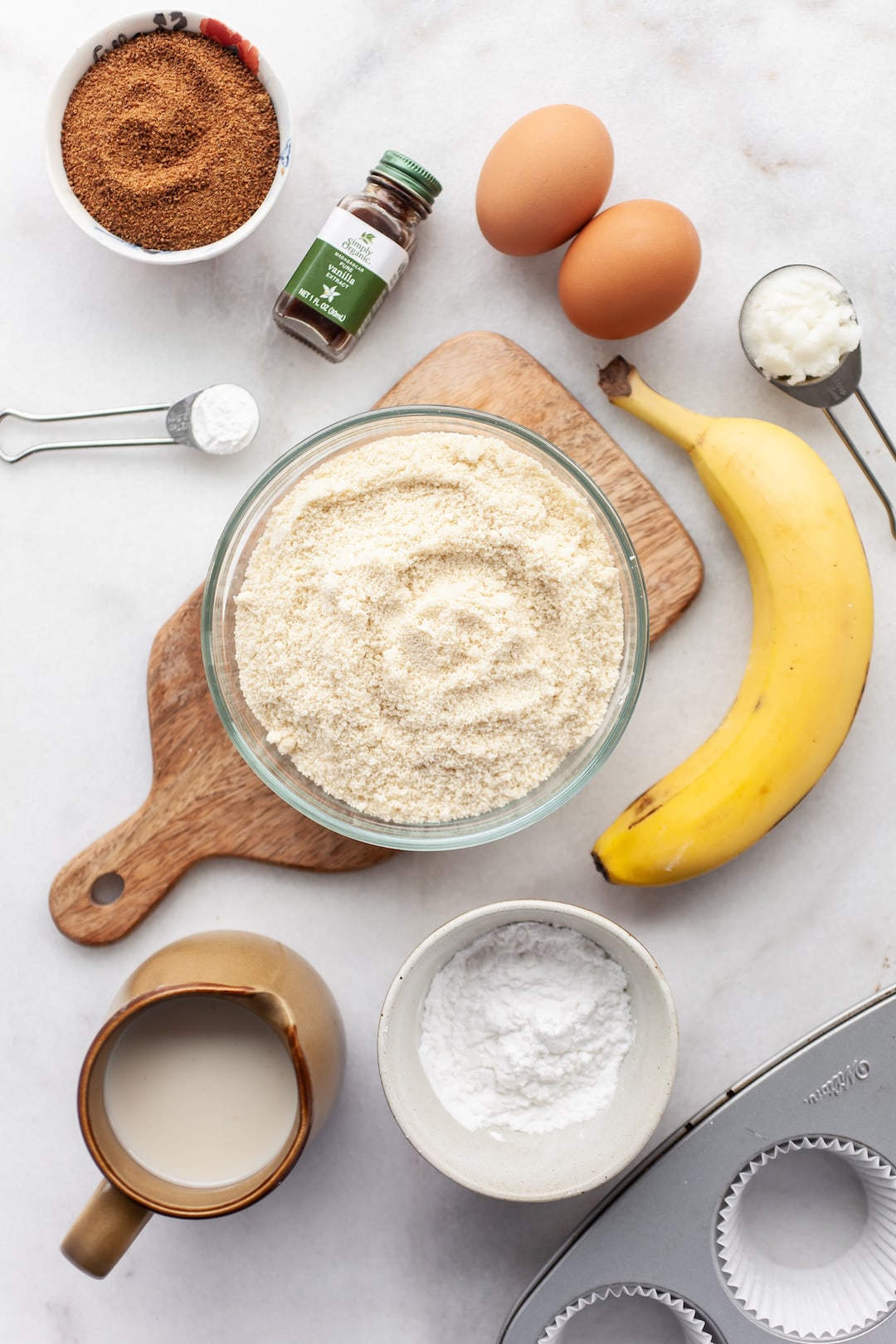
Room Temperature Ingredients Improve The Batter
Simple preparation makes a noticeable difference.
Room temperature eggs and almond milk blend more evenly with the dry ingredients, creating a smoother batter and more consistent rise throughout the muffins.
Made For Breakfast And Snacks
These muffins fit more than one occasion.
They store well, freeze well, and work for breakfast, afternoon snacks, or lunch boxes. Almond flour, ripe bananas, and simple pantry ingredients explain why grain-free banana muffins continue appearing in more home kitchens.
Leave a Reply