


Pulling pork ribs from the grill can reveal a problem that barbecue sauce cannot cover. The outside may have good color and char while the meat still holds tight to the bones, feels dry at the edges, or takes more effort to bite than expected.
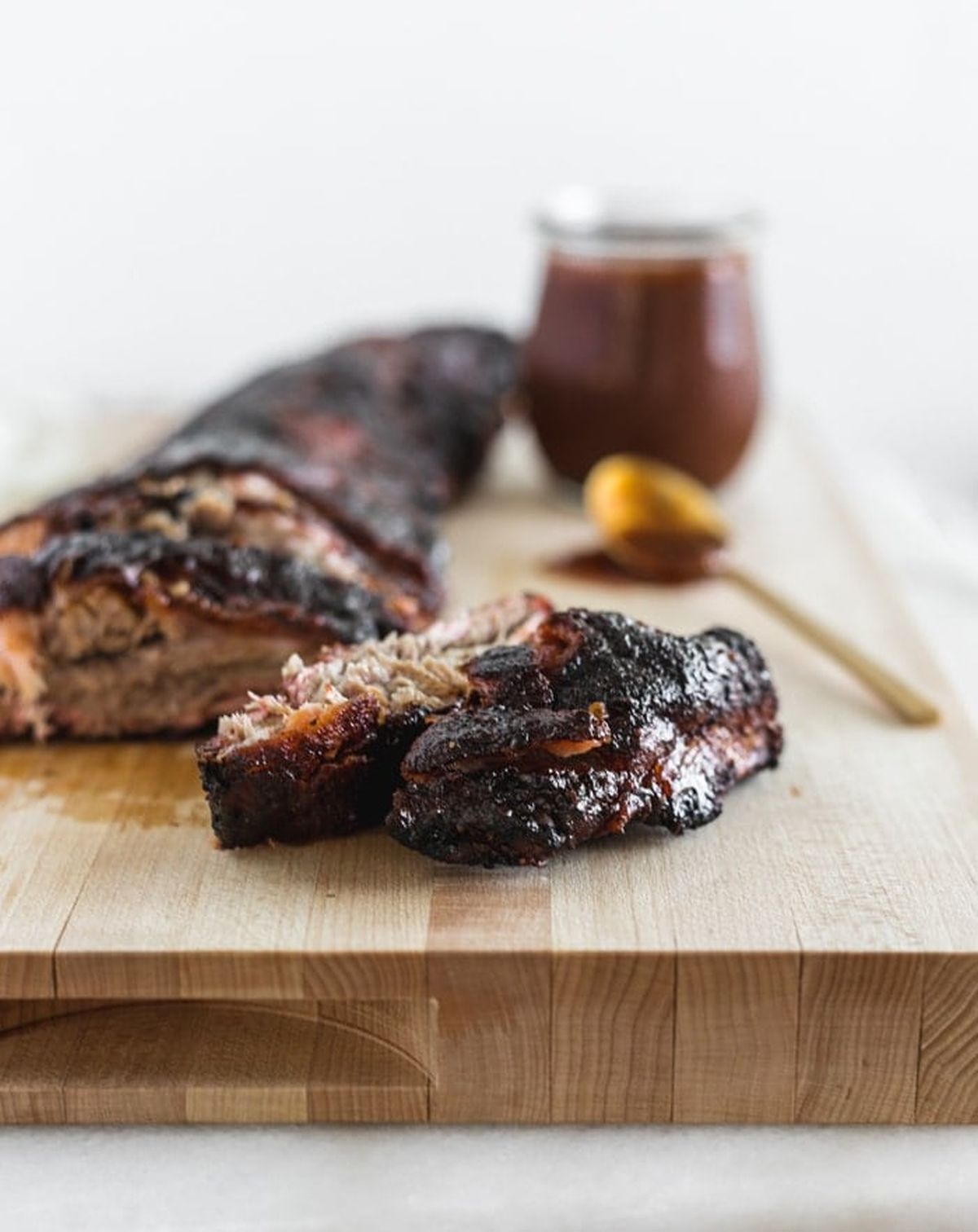
That doesn't always mean the rack is lost. Ribs depend on time at low heat to break down connective tissue, and a rack that looks cooked on the surface can still need more time before it reaches the texture you wanted.
One rescue method puts the ribs back on the grill, but not in the same state they came off. Foil, added fat, a small amount of liquid, and another stretch over low heat can give a tough rack a second chance.
Butter and Apple Juice Come In Before the Ribs Go Back
Instead of coating tough ribs with more barbecue sauce and serving them, add butter, a small amount of BBQ sauce, and a thin coating of apple juice. The butter adds fat while the apple juice provides liquid inside the foil packet.
Wrap the rack tight enough to hold that mixture around the meat, then return it to the grill. The goal has changed at this point. You aren't chasing more char. You're creating a contained cooking environment where the ribs can continue to soften without losing as much moisture to the grill.
Foil Changes What Happens During the Extra Cooking Time
Leaving ribs exposed for another hour could dry the exterior even more. Foil traps moisture around the rack and limits evaporation while the meat continues cooking.
This is related to the technique barbecue cooks often call the Texas crutch. Wrapping meat partway through a long cook can push it through the next stage while retaining more moisture. For ribs that haven't reached the texture you want, that enclosed period can be more useful than another coat of sauce on the exposed surface.
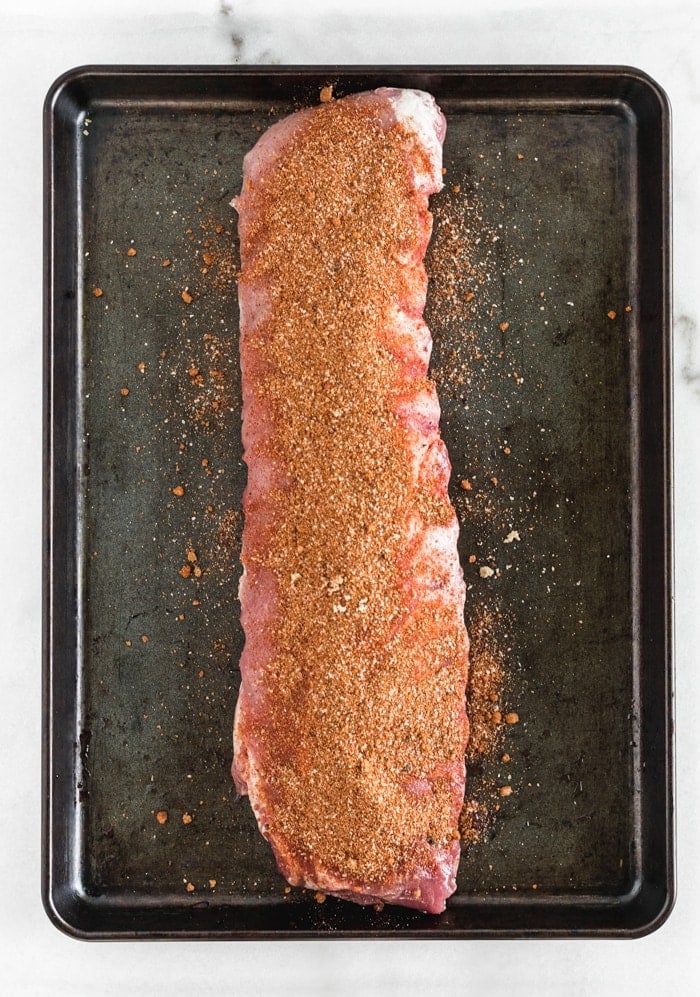
Low Heat Matters More Than a Hard Blast From the Grill
Tender barbecue ribs aren't produced by high heat alone. Collagen-rich meat benefits from a longer cook at a lower temperature, which gives connective tissue time to soften without burning the exterior.
A charcoal grill can handle the job when it is set up for indirect heat. Keep the charcoal on one side and the ribs away from the direct fire. A foil pan filled with water on the cooler side can also add moisture to the cooking environment while the ribs spend several hours on the grill.
Temperatures around 250°F to 300°F give ribs time to cook without treating them like burgers or steaks. If a rack comes off tough, the issue may be that it reached the end of your planned cooking time before the meat reached the right stage.
Check the Ribs Before Calling Them Done
Time alone doesn't tell you when ribs are ready. A rack can need several hours depending on its size, the cut, grill temperature, and how well the heat was maintained during the cook.
Look at how the meat has pulled back from the ends of the bones and check how the rack bends when lifted. For a temperature reference, pork ribs often reach their tender stage around 190°F to 200°F, well beyond the minimum temperature needed for pork safety.
If the ribs are still tight and tough, wrapping them with butter and apple juice and returning them to low heat can make more sense than putting them on the table. Sometimes taking ribs off the grill is just the point where you discover they need one more stage.
Leave a Reply