

TikTok changed how students find historical recipes from around the world. The app hit 150 million monthly users in the US during 2024. Young bakers now make centuries-old desserts in dorm kitchens with basic tools. These vintage treats connect students to recipes their ancestors perfected long ago.
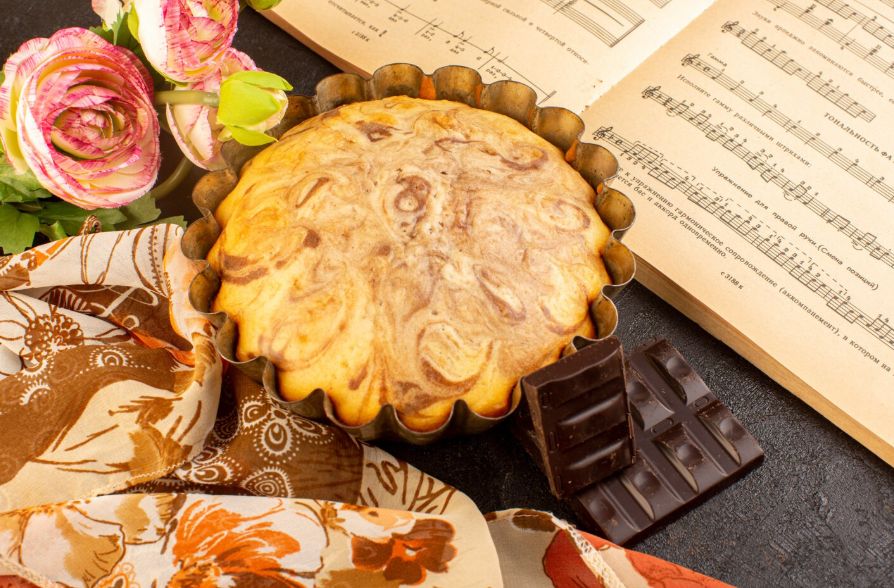
Food history videos get millions of views when students share their baking experiments online. Medieval honey cakes and Victorian puddings show up next to modern trends. The comments are filled with family stories and regional tips nobody wrote down before. Each viral dessert carries history worth saving through taste and sharing.
Finding Time for Baking Projects
College schedules get packed with classes, assignments, and social events throughout each semester. Students still manage to explore historical recipes and food culture during their free time. Some use essay service guidance to stay organized when multiple deadlines hit the same week. This help keeps their work on track while they experiment with new recipes. Better time management means more room for cooking hobbies like testing old-world desserts. Students can bake without staying up late or missing deadlines for other commitments.
Planning baking sessions around your calendar makes historical recipe projects easier to handle. Weekend mornings work great for recipes that need hours of rising or chilling. Quick treats fit perfectly into weeknight evenings after dinner and before homework.
Honey Cakes from Medieval Europe
These dense spiced cakes go back to 14th century monasteries in Germany and Poland. Monks baked them for religious festivals using local honey and rye flour available. The recipe lasted centuries because honey keeps baked goods fresh naturally for weeks. Modern versions add cinnamon, cloves, and ginger for that authentic medieval spice blend.
Students like how easy the recipe handles simple swaps you can find anywhere. Regular flour works fine if rye flour costs too much at your store. The batter sits overnight before baking, perfect for weekend prep-ahead morning projects. TikTok videos show the cool change from sticky dough to shiny glazed cake.
The finished cake keeps for weeks wrapped in parchment paper on your counter. Medieval bakers knew this made honey cakes perfect for storing through long winters. Students love having homemade treats that stay good through busy exam weeks.
Victorian Treacle Tart
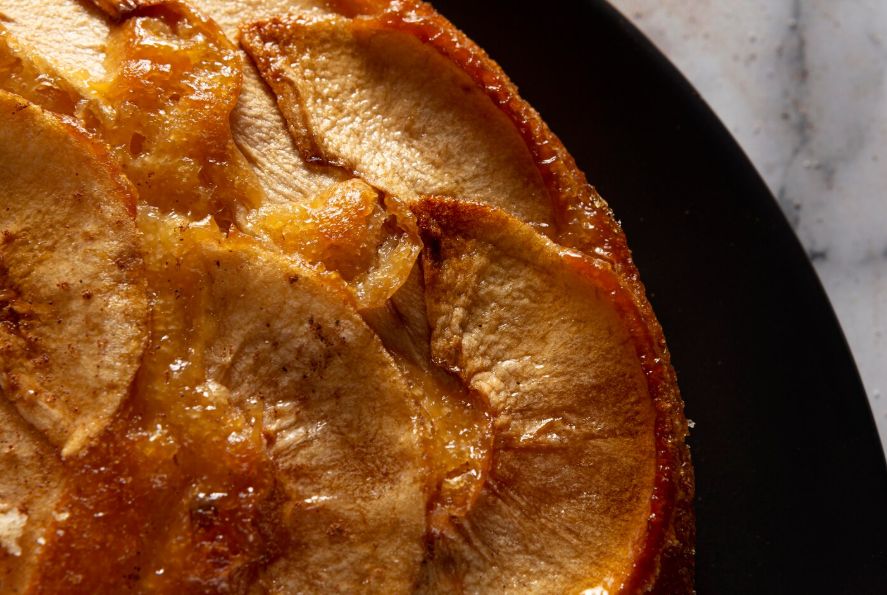
This classic British dessert got famous through books and period shows on streaming. The filling mixes golden syrup, breadcrumbs, and lemon juice in weird but good amounts. Victorian households made it to use up stale bread without wasting food. The lattice pastry top looks fancy but needs only basic pie skills.
Golden syrup gives the tart its special caramel taste you can't copy with anything. British import shops sell it, though some students mix corn syrup with molasses instead. The breadcrumbs thicken everything without eggs, making it stable at room temperature. Baking takes just 25 minutes once your crust is ready to fill.
Student bakers love several things about this old recipe:
- Basic ingredient list with stuff most kitchens already have in the cabinet
- No special tools needed beyond a pie pan and regular mixing bowl
- Feeds 8-10 people making it great for sharing with roommates or groups
- Tastes better next day when all the flavors blend together in the fridge
Making the Perfect Crust
Cold butter makes the flaky layers that give treacle tart its satisfying crunch. Cut it into flour with a fork or fingers until it looks like sand. Ice water pulls the dough together without making it tough from overwork. Chill the formed crust for 30 minutes before you roll it thin.
Getting the Right Filling Texture
Fresh breadcrumbs beat dried ones from a store can for proper consistency here. Pulse day-old bread in a food processor until you get chunky crumbs. Mix them with warm golden syrup and fresh lemon juice right before pouring. The filling sets while baking into a jammy texture with slight chew.
French Canelés from Bordeaux
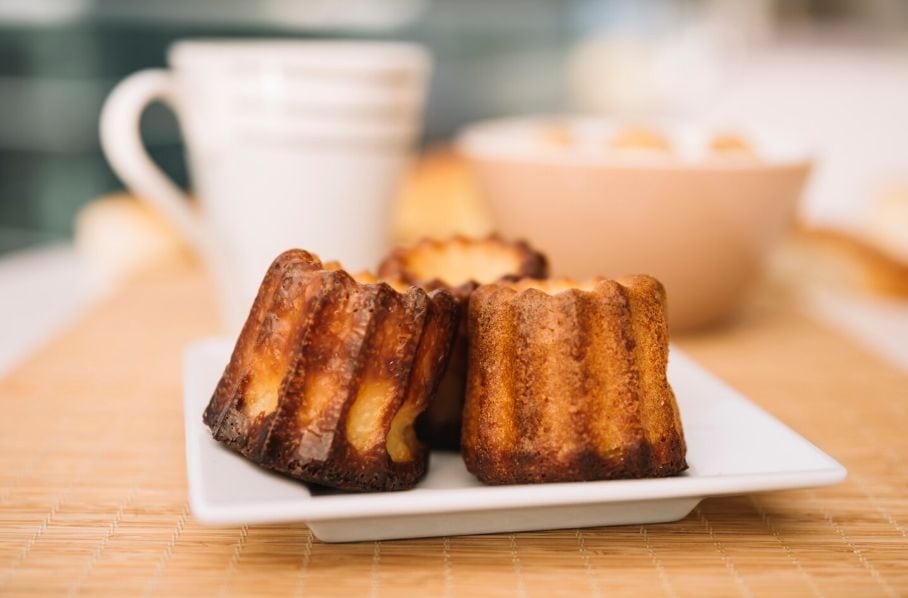
These small caramelized cakes started in 18th century French convents near wine regions. Nuns used leftover egg yolks from wine-making to create the custard batter. The special fluted molds give canelés their ridged shape and dark brown outside. Modern silicone molds make them easy for home bakers without copper pans.
The batter needs 24-48 hours in the fridge before baking for right texture. This rest time lets flour soak up liquid and flavors develop deeper taste. Students often prep batter Friday night for Sunday brunch baking with friends nearby. The contrast between crunchy caramelized shell and soft custardy inside tastes addictive.
Rum and vanilla flavor the traditional recipe, though some areas use orange flower water. The super hot oven caramelizes the outside while keeping the inside creamy soft. Each canelé bakes in just 10 minutes once your oven reaches full heat. TikTok videos catch the satisfying unmolding moment showing their geometric ridges perfectly.
Portuguese Pastéis de Nata
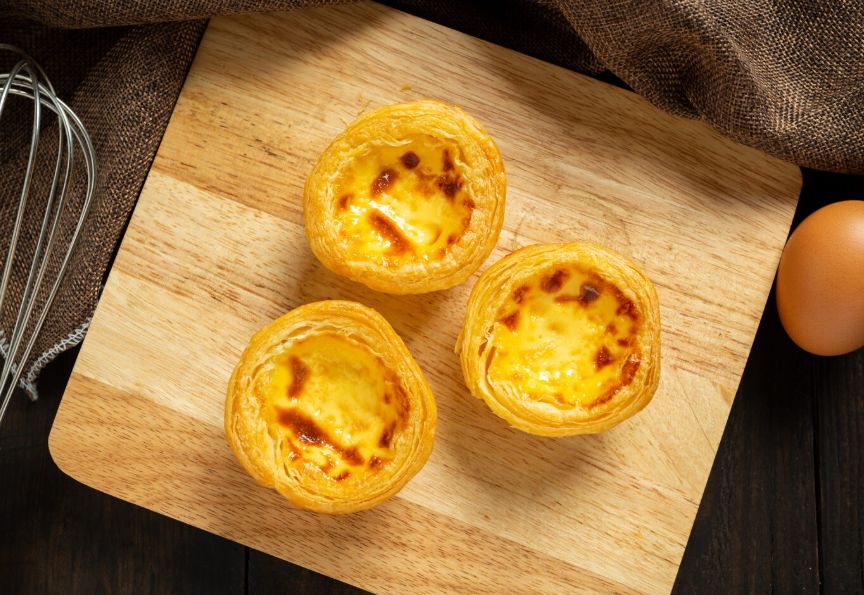
These famous custard tarts trace back to 18th century monks at a monastery near Lisbon. The original recipe stays a closely guarded secret passed through generations of bakers. Modern versions copy the flaky puff pastry and silky custard filling pretty well. Portuguese bakeries worldwide sell millions of these tarts daily to loyal customers everywhere.
The custard filling uses egg yolks, sugar, milk, and cornstarch for stable creamy results. Cinnamon and lemon zest add light flavor without covering the delicate custard base. Puff pastry from the freezer section works great for student budgets and time. High heat makes those signature dark spots on top that add caramel flavor.
Preparing the Pastry Cups
Thawed puff pastry rolls into a tight log before slicing into rounds for shaping. Press each round into muffin tins, pushing the dough up the sides evenly. The pastry should stick up slightly above the rim to hold custard properly. Chill the formed cups while making the filling to stop them from shrinking.
Getting That Signature Caramelization
Oven temperature needs to hit 500°F for proper browning on the custard top. Place filled tarts on the highest rack closest to the heating element above. Watch closely during final minutes as they brown fast at high heat. The spots should look deeply caramelized but not burned for real flavor.
Italian Panna Cotta
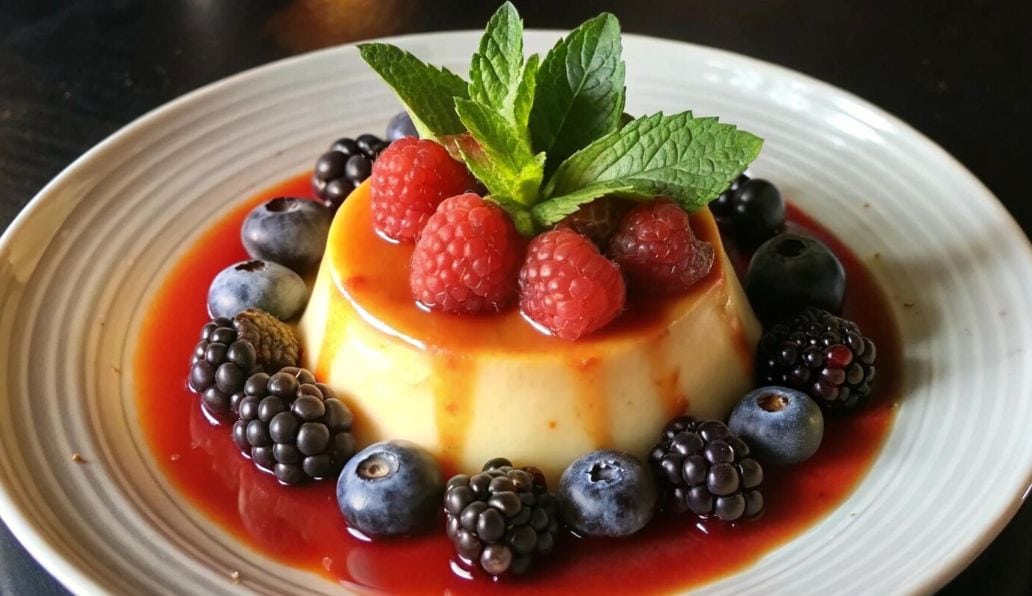
This silky dessert comes from early 20th century Piedmont region in northern Italy. The name means "cooked cream" in English, explaining the simple cooking method. Gelatin sets sweetened cream into a wobbly custard that melts on your tongue. Traditional versions use vanilla bean, though modern bakers try endless flavor twists now.
Students love that panna cotta needs no baking and only five ingredients total. Heavy cream, sugar, gelatin, vanilla, and salt create restaurant-quality results at home. The mixture sets in individual cups or small bowls in your fridge overnight. Berry sauce or caramel topping turns it into an impressive dessert anytime.
Make-ahead convenience means you can prep panna cotta days before serving without problems. The texture stays perfect for up to four days when covered and kept cold. TikTok creators film the satisfying wobble test that proves proper gelatin setting worked. Some videos show the unmolding trick onto plates for elegant presentation looks.
Bringing History into Your Kitchen
These five desserts prove historical recipes work great in modern student kitchens today. Each one connects you to centuries of baking tradition through easy ingredients and methods. Start with whichever recipe sounds best to your taste preferences right now. Share your results on social media to join the growing historical baking community. Your dorm kitchen can make more impressive treats than you think possible.
Leave a Reply