

Wrapping sweet potatoes in foil felt automatic. It was how I learned to bake them and how I saw them done everywhere else. The potatoes went into the oven, came out soft, and seemed finished.
The problem was not doneness. It was texture. And it took a while to understand why the skin never behaved the way it should.
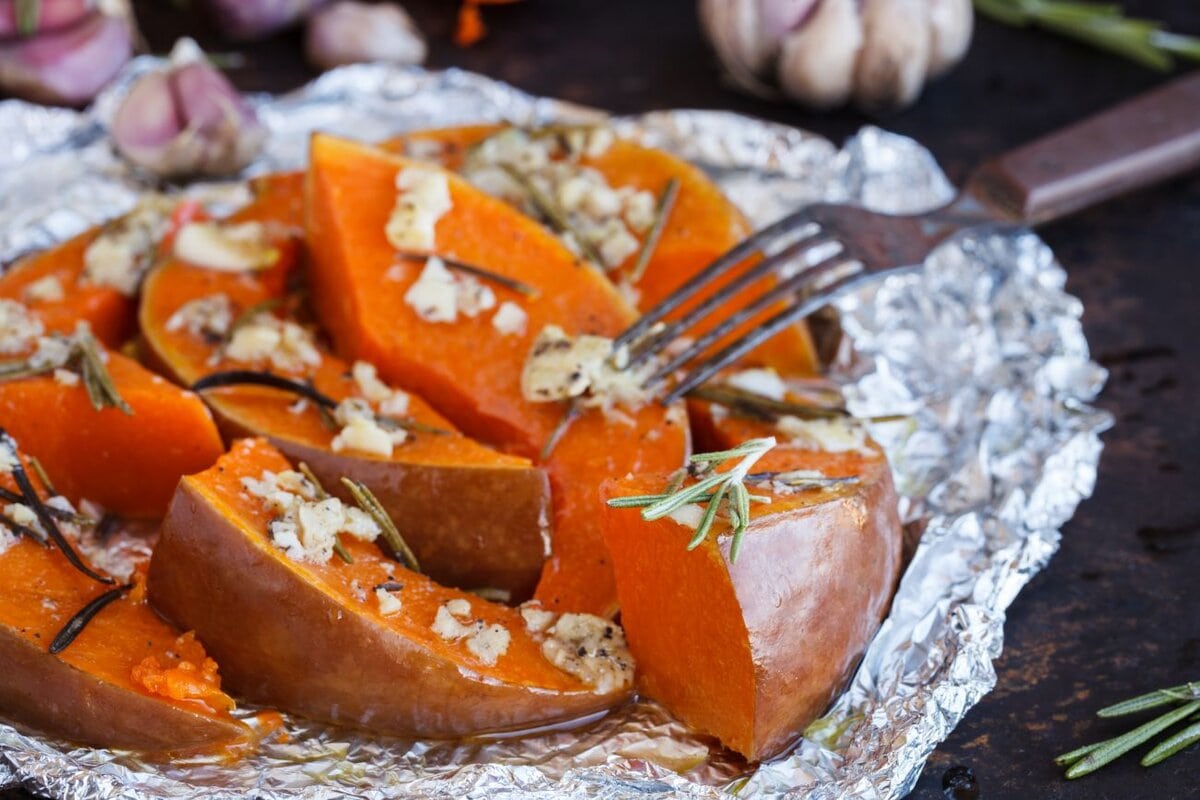
The Skin Never Dried
The first thing I noticed was how the skin felt once the potato came out of the oven. Not crisp. Not firm. Soft in a way that felt wet rather than tender.
Peeling it back made things worse. Instead of separating cleanly, the skin clung to the flesh. It tore unevenly and left behind a slick surface that no amount of resting seemed to fix.
At first, I blamed the potato.
The Interior Cooked, But Not the Way I Expected
Inside, the sweet potato was fully cooked. Soft. Steamy. Almost too uniform.
There was no contrast between the outer layer and the center. Everything shared the same texture, which made toppings feel heavier instead of balanced. Butter melted straight into steam. Seasonings faded instead of settling.
The potato tasted baked, but it behaved like it had been enclosed.
Foil Changed the Cooking Environment
The issue was not heat. It was airflow.
Foil trapped moisture around the potato. Instead of allowing the skin to dry and firm as the starches set, the foil turned the oven into a steamer. The potato cooked in its own moisture.
That moisture never escaped. It condensed. It stayed.
Nothing About Foil Made It Faster
This was the most surprising part.
Despite the common belief, wrapping the potato did not shorten the bake time. The potato still needed the same amount of heat to cook through. The only difference was how that heat reached it.
Foil did not speed the process. It changed the result.
The Texture Problem Stayed Consistent
I tried different oven temperatures. Longer bakes. Shorter rests. The outcome stayed the same.
As long as foil was involved, the skin stayed soft and slippery. The interior stayed evenly steamed. The potato never developed structure on the outside.
Once I stopped using foil, the issue disappeared.
What Changed Without Foil
Baked uncovered, the skin dried gradually. It tightened. It separated cleanly from the flesh.
The inside stayed soft, but not wet. Toppings sat on the surface instead of dissolving into steam. The potato held its shape when cut instead of collapsing.
Nothing else changed. Same oven. Same temperature. Same potato.
Why This Matters for Sweet Potatoes
Sweet potatoes carry more moisture and sugar than regular potatoes. That makes them more sensitive to trapped steam.
Foil amplifies that moisture. Instead of balancing it, the foil locks it in.
What works for reheating does not always work for baking.
When Foil Does Make Sense
Foil has its place. It protects food from direct heat. It keeps things warm after cooking. It helps prevent burning in certain situations.
But baking whole sweet potatoes is not one of them.
The Result I Didn’t Expect
The biggest difference was not flavor. It was control.
Without foil, the potato behaved predictably. Texture developed where it should. Moisture stayed where it belonged. The skin stopped working against the rest of the dish.
All because I stopped wrapping it.
That was the part I didn’t expect.

Leave a Reply